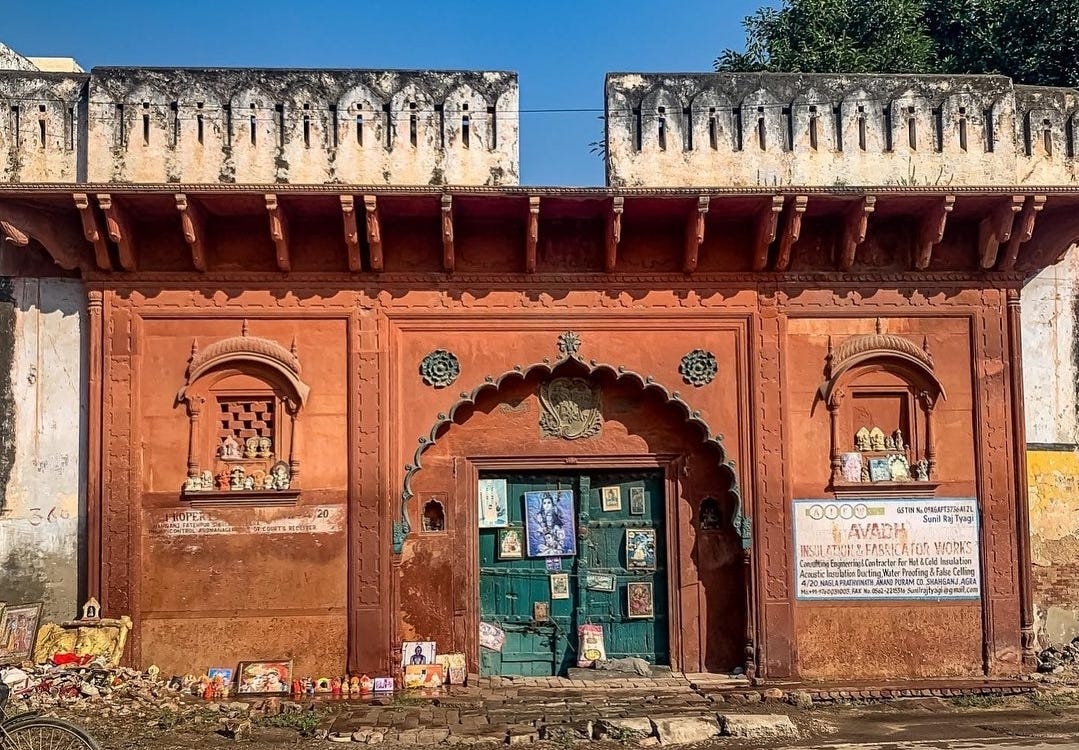
Vikings of the Ganga
The Forgotten Scandi Colonies of India

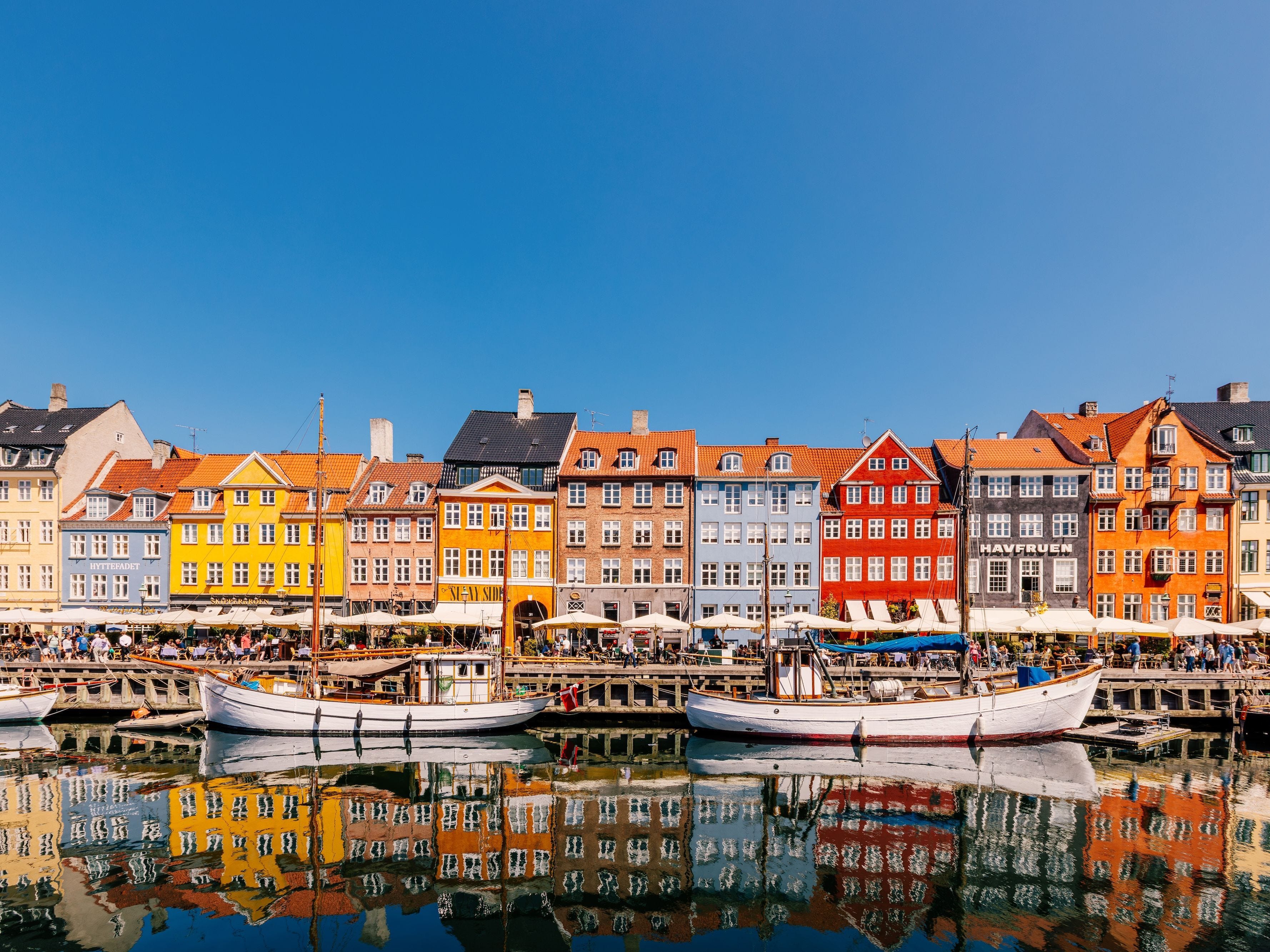
Back in July, I spent three days in Copenhagen, the Danish capital and its one of the most delightful cities I’ve been to in a while. Pastel houses lean over the harbour, bicycles glide over cobbles, and the smell of cardamom wafts over corner bakeries.
It also has perhaps the best South Asian art collection in Europe in the form of the David Samling Collection.
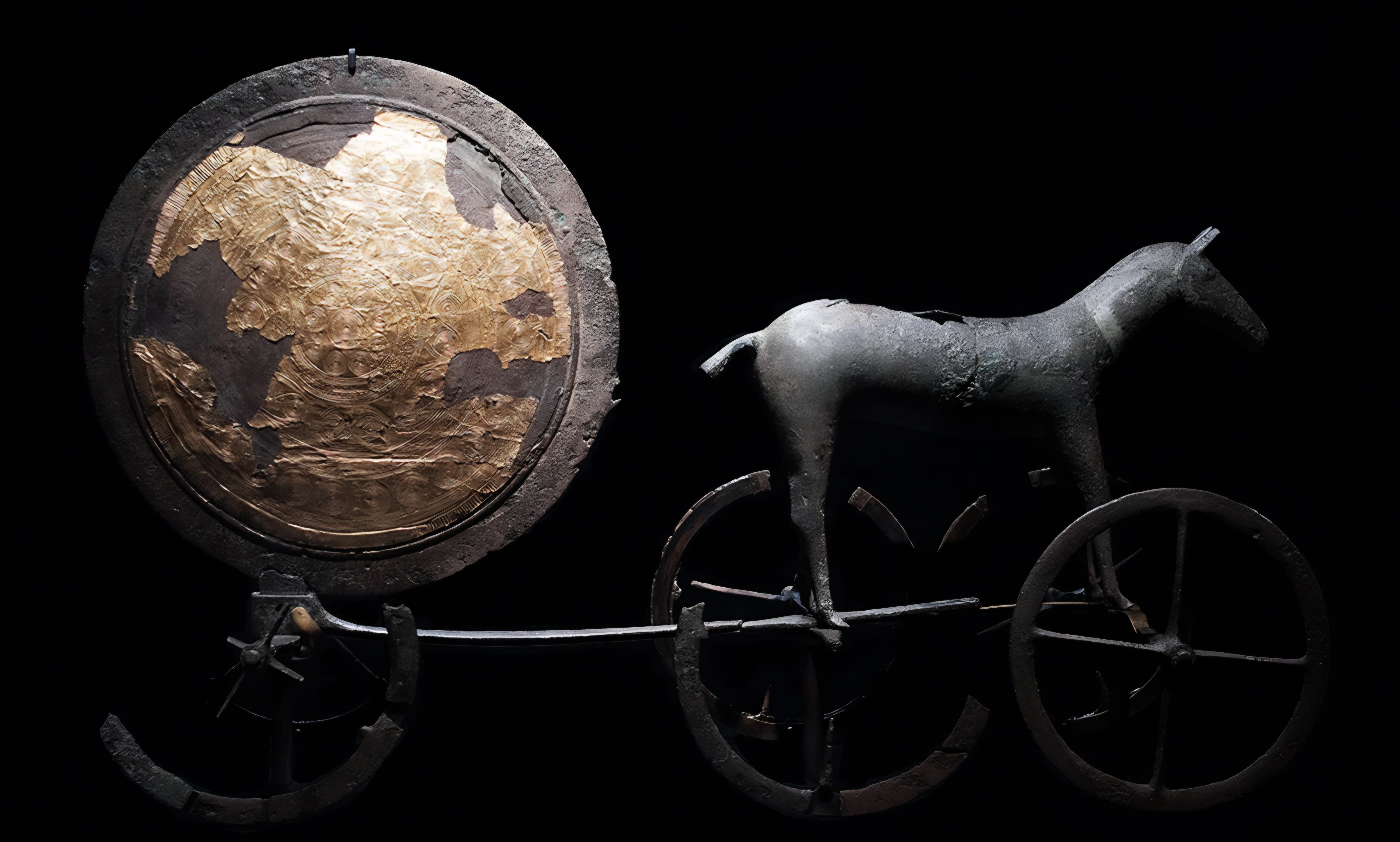
Most suprising off all, however, was my trip to the National Museum. After visiting the Trundholm chariot, the earliest depiction of the Indo-European sun chariot myth, I thought there was little else that could surprise me.
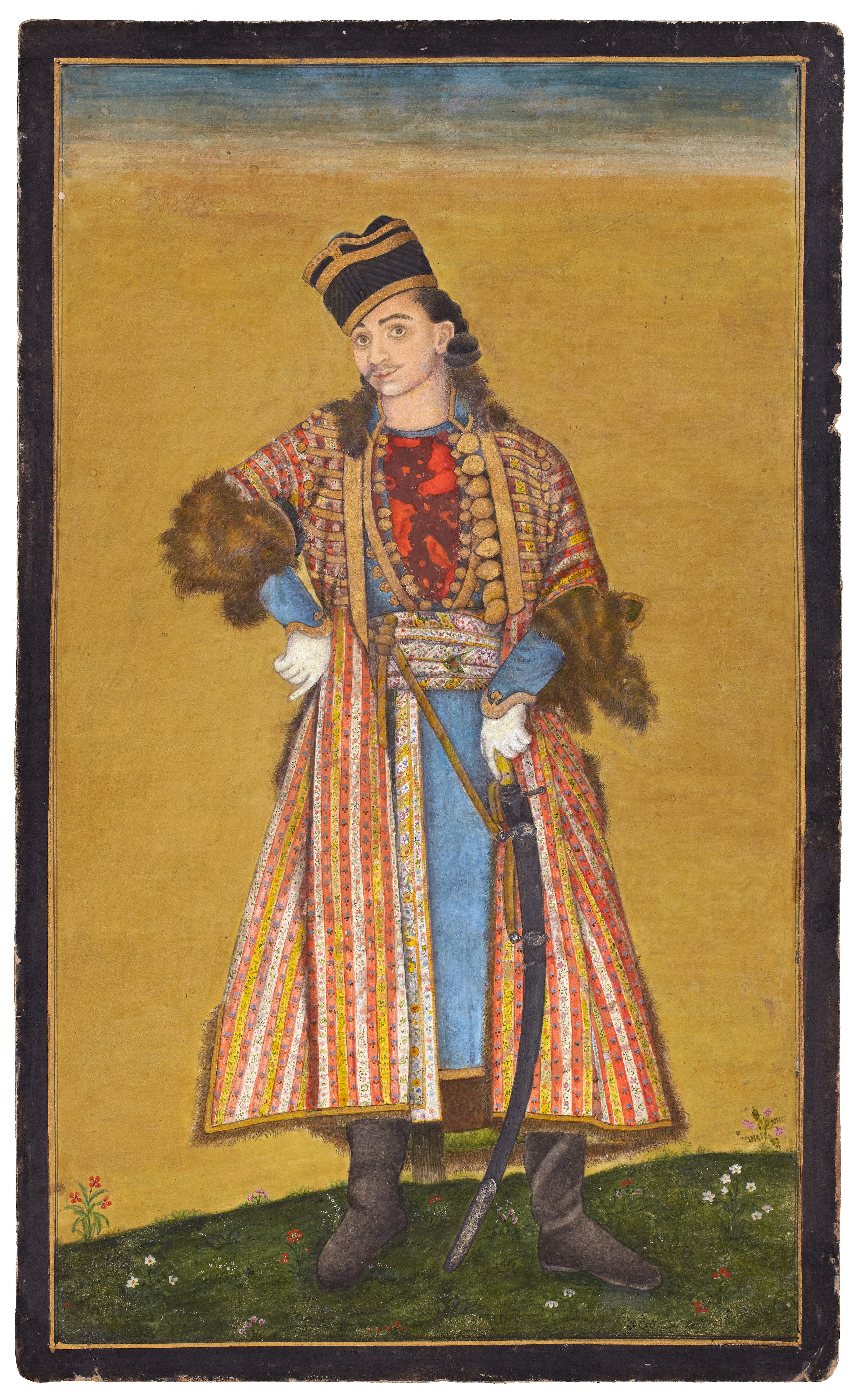
But then, up on the second floor, I stumbled into a room all about Danish India. Objects included a hookah pipe once smoked in Tranquebar, brittle Tamil miniatures in European frames, and a plaque proudly declaring that Bengal's Serampore College had once been considered the third university of Denmark.
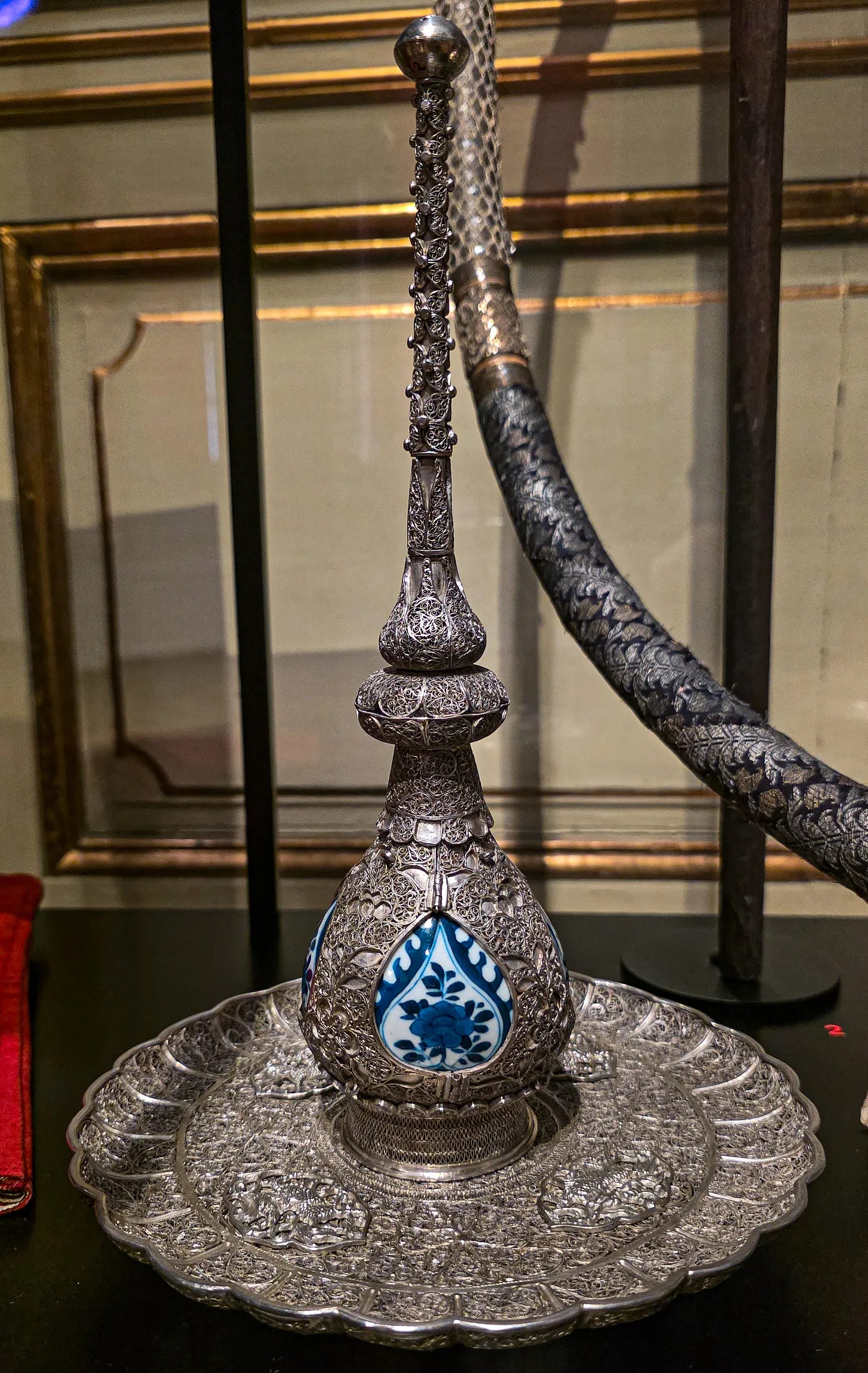
Its a story largely forgotten, but a fascinating one which left behind half-forgotten stories of Viking saints on the Ganges, Tamil forts on the Coromandel, and saw a brief war between Denmark and the Mughal Empire.
The Scramble For India
When colonial powers began their scramble for India, it was mainly a fight between the English, French, and Portuguese.
But there were other Mediterranean powers who briefly tried to get involved. In 1538, the Ottoman Empire tried to capture the Gujarati city of Diu and in 1610 the Dutch seized Pulicat in Tamil Nadu.
A few Indian powers likewise tried their hand at creating armed trading companies - most notably Tipu Sultan. Tipu set up factories in the Omani capital of Muscat and the Burmese city of Pegu. He wanted to play the British at their own game. If it wasn't for his defeat by the British a few decades later, Karnataka may have evolved into a colonising power in its own right - an aspect of Tipu's legacy that is largely forgotten today.
Denmark and Norway, who had recently united their kingdoms, now also tried to join the colonial scramble.

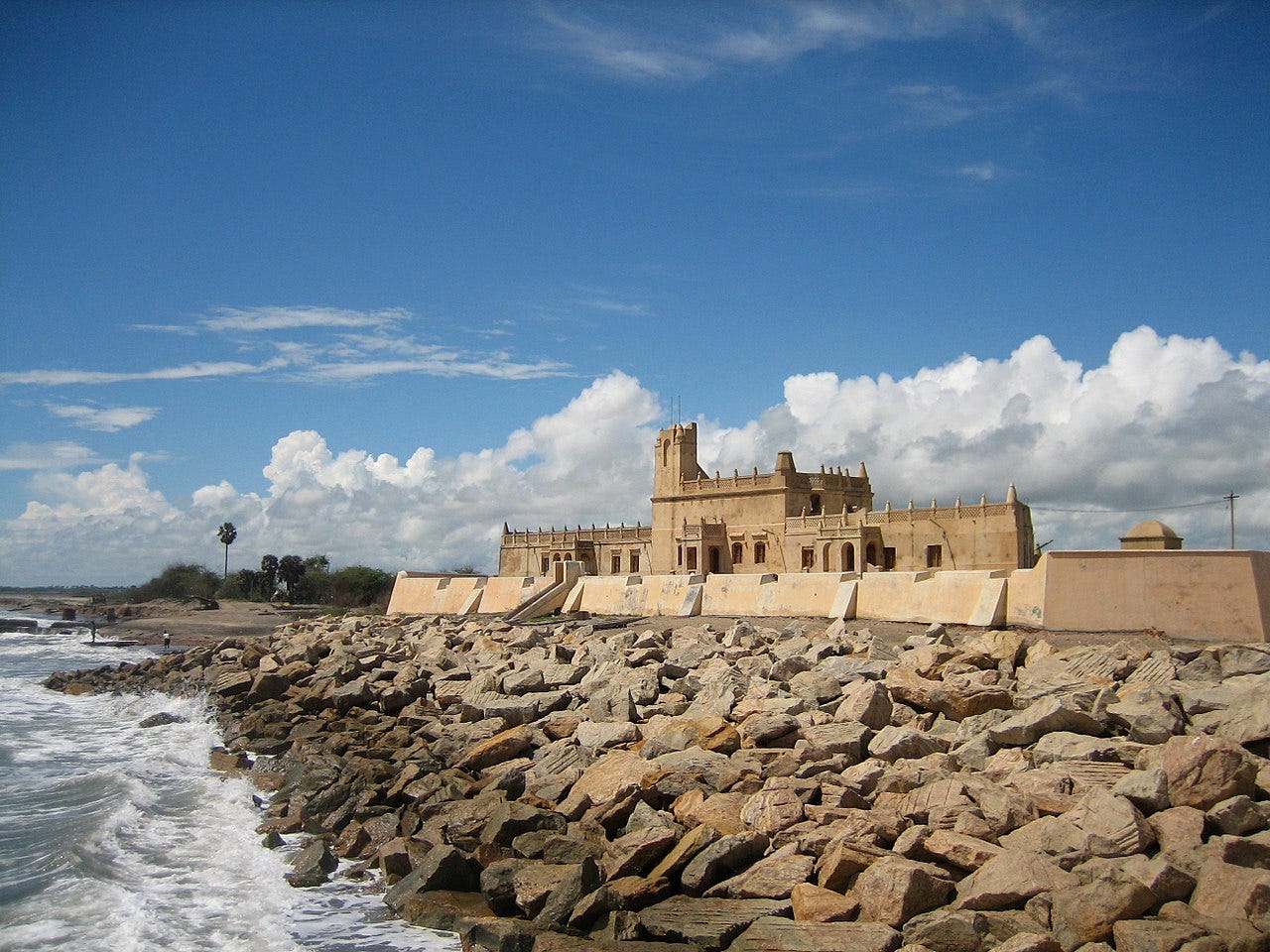
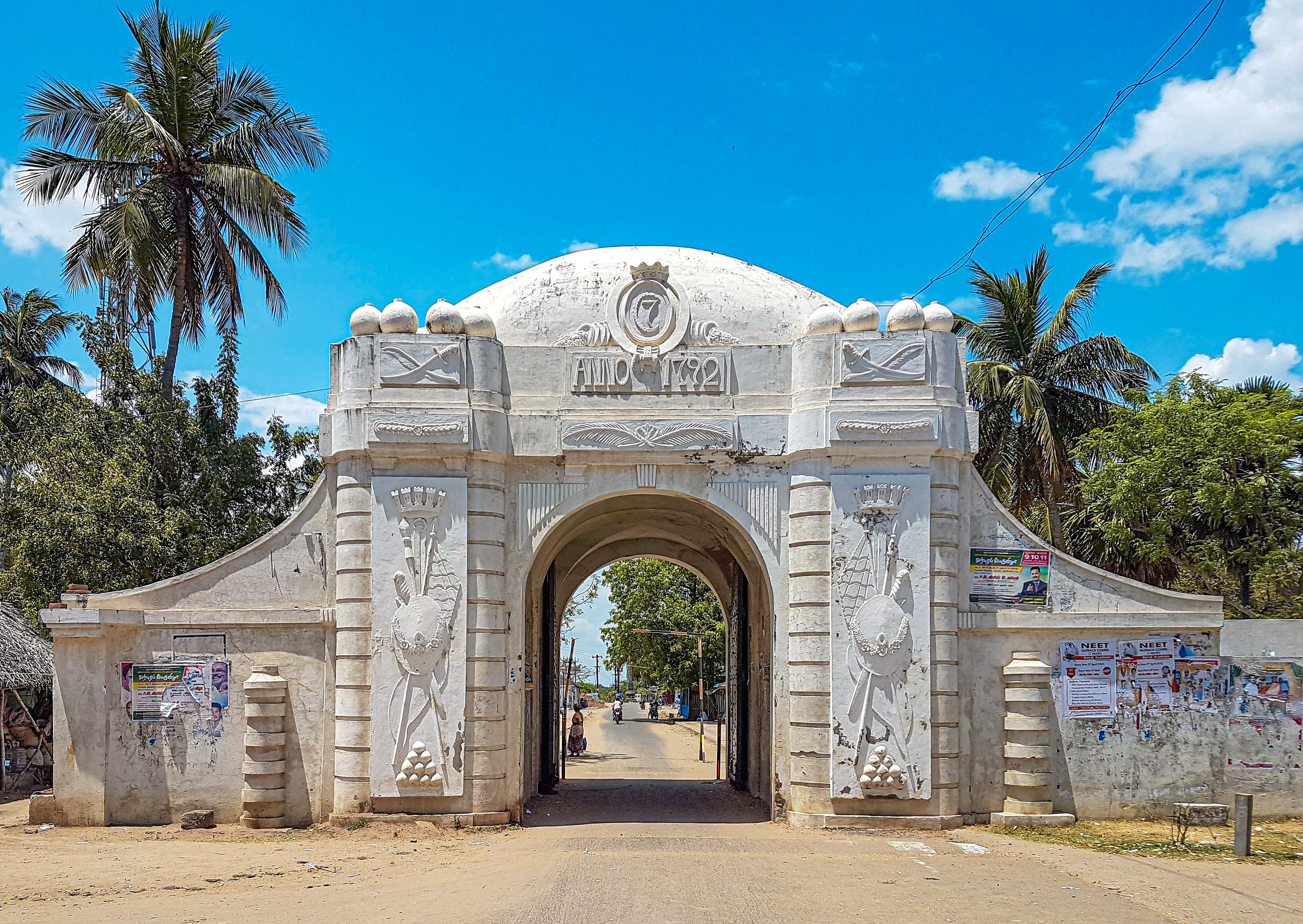
In 1620, King Christian IV of Denmark secured the tiny fishing village of Tharangambadi (modern Tranquebar) on the Tamil coast from the Nayakas of Thanjavur.
He fortified it with a seaside bastion, Fort Dansborg, which still looms over the Coromandel waves today
The Danish Declare War on the Mughal Empire
The Danes soon pushed into Bengal, opening a trading station there.
But Danish ships began raiding Mughal merchant ships, kidnapping their sailors and trafficking them into slavery.
By 1640, the Mughals had had enough and seized a Danish ship called the St Jacob.
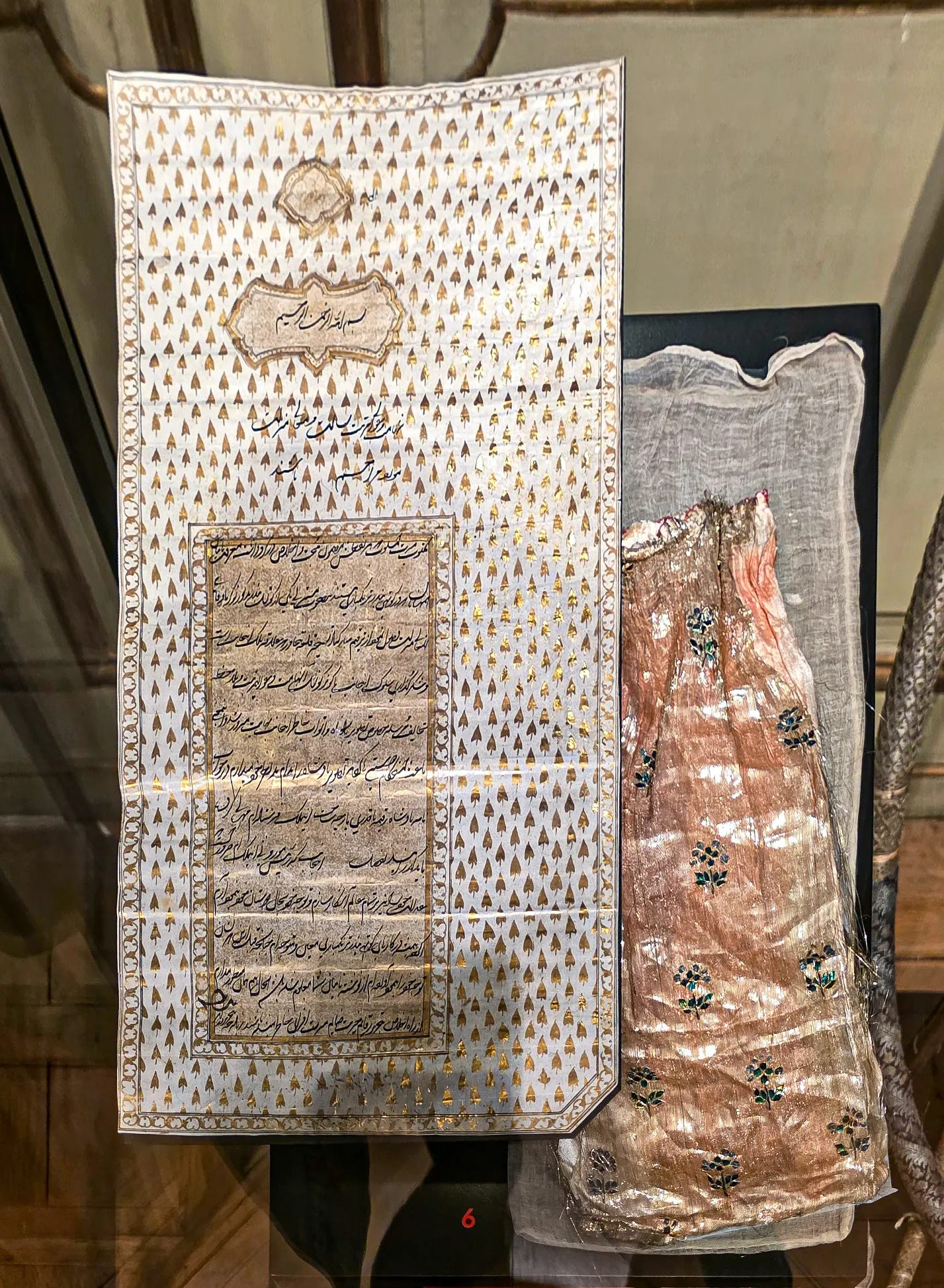
Furious, the Danes retaliated, imprisoning local merchants and demanding half a million rix-dollars in reparations. Bengal’s governor burned the Danish trading post at Pipli to the ground.
Soon a brief, absurd “war” between Denmark and the Mughal Empire had broken out. The Mughals, lacking a substantial navy, begged the Dutch to rein in the Danes, but the Dutch refused.
The conflict only ended when Christian IV died, the Danish East India Company collapsed, and the Danes retreated south back to Tranquebar.
Revival
By the early 1700s, things were looking dire for Denmark's imperial project.
In 1730, however, the project was revived and a new Danish Asiatic Company was established in Copenhagen.
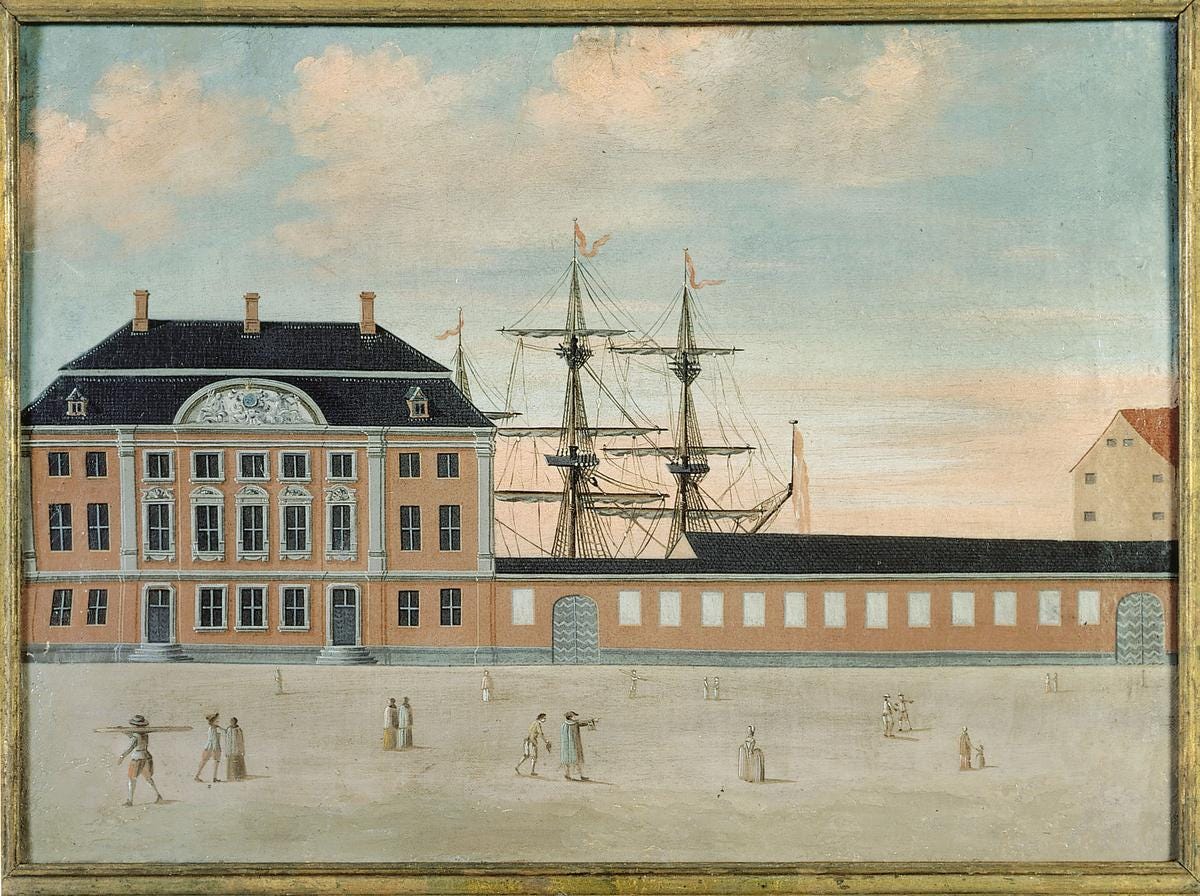
In 1755, they secured a new foothold upriver from Calcutta called Serampore (or Frederiksnagore, as they tried to call it).
Meanwhile, a Danish haveli in the erstwhile Mughal Capital Fatehpur Sikri was recently discovered by my friend Shantanu Jadaun Dating from this time