
The Golden Age of the Guptas

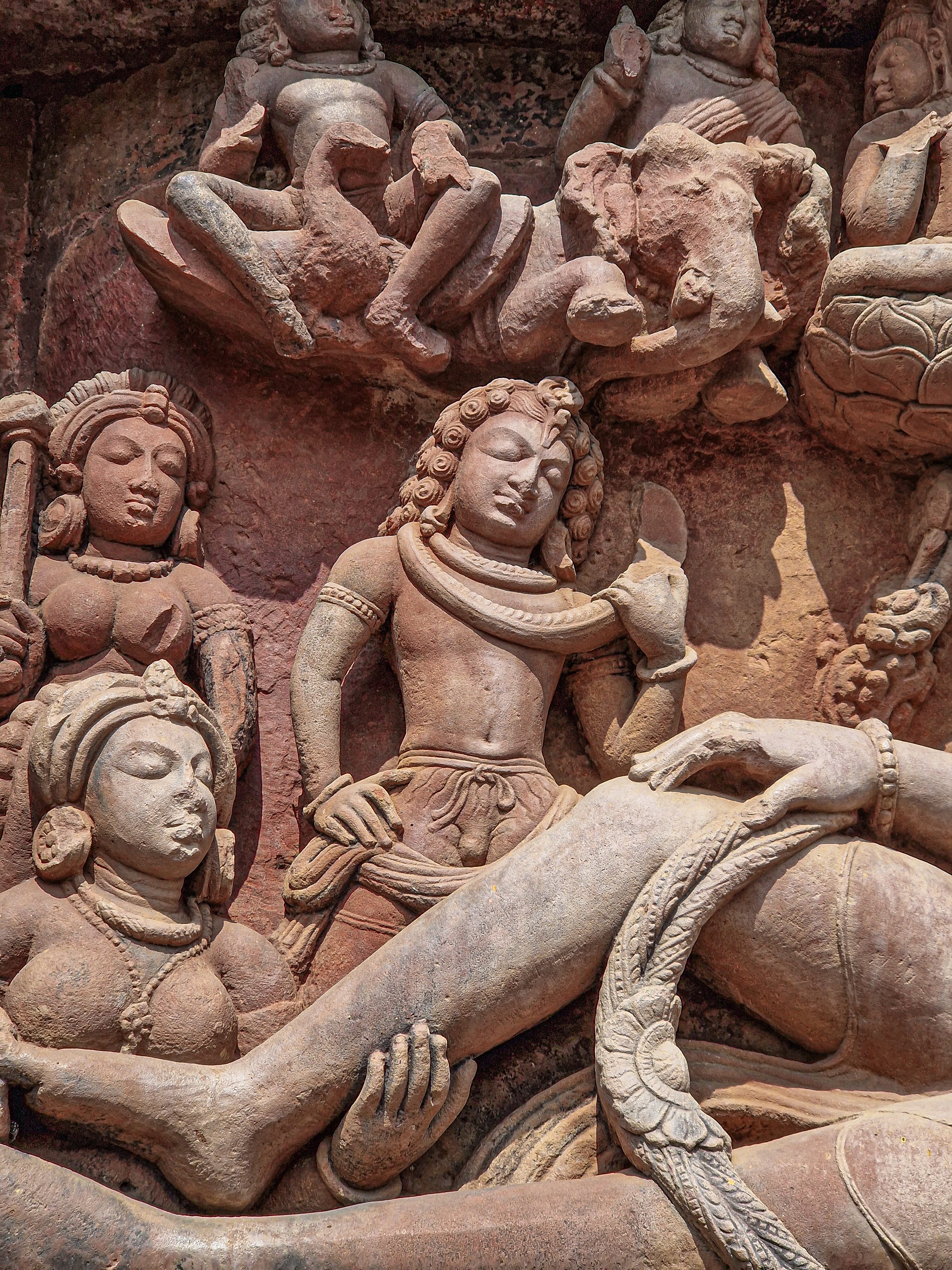
The Gupta Empire (c.240–c. 579) is often hailed as India's ‘Golden Age’, yet it has left surprisingly few physical monuments compared to its predecessors, the Kushans.
For an empire that is credited with crystallizing so much of what we now consider "classical" India—its literature, science, and art—the lack of grand palaces and sprawling cities is striking.
And yet, what little remains of their architecture is nothing short of extraordinary.
Nowhere is a more vivid demonsration of their artistic brilliance than the Dashavatara Temple in Deogarh, a small town in Uttar Pradesh.
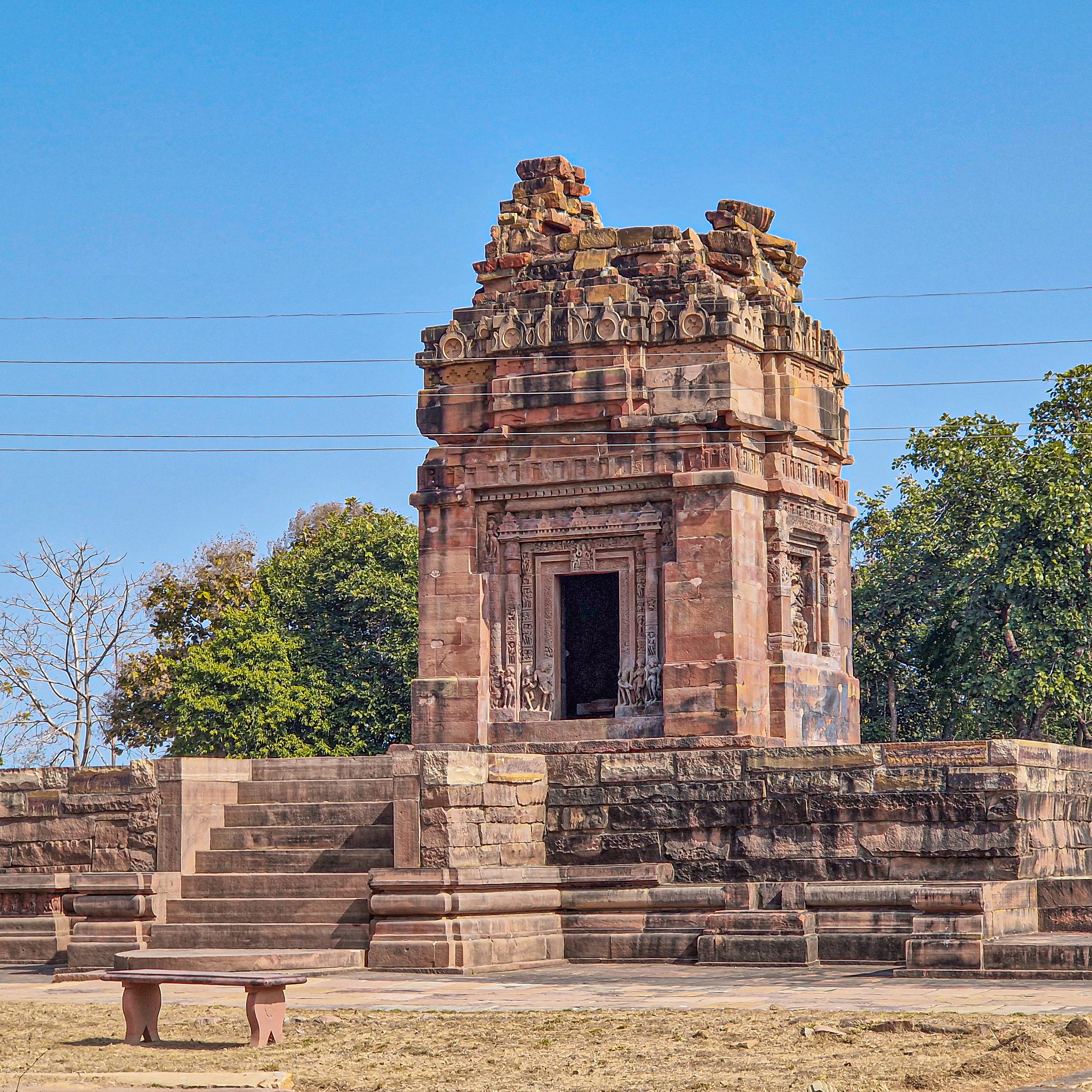
Though partially ruined today, this 5th-century structure is one of the oldest surviving Hindu temples built in stone, and its sculptures truly take your breath away.
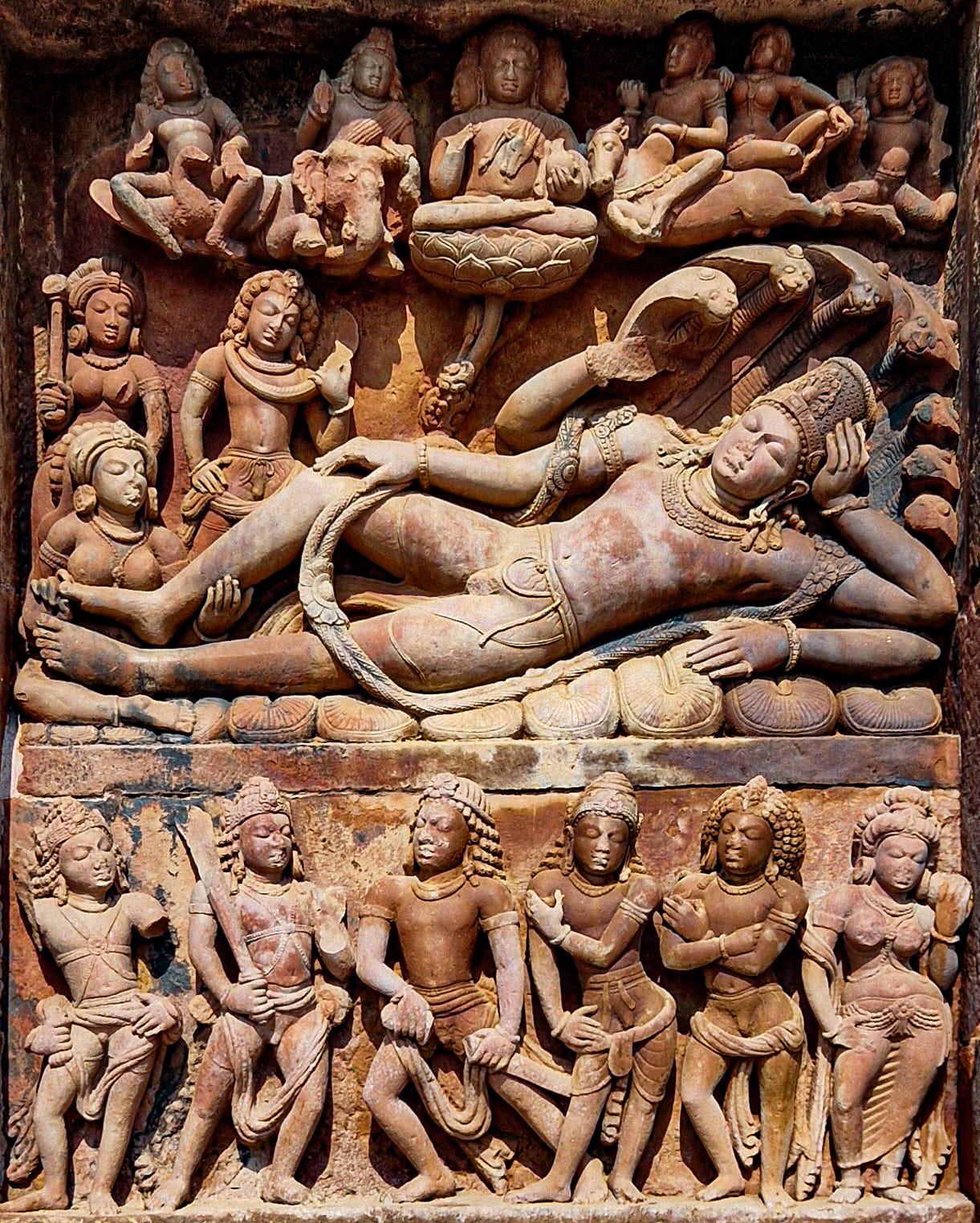
The carvings of Shiva, Vishnu, and Brahma—particularly the ‘Sheshashayi Vishnu’ panel—are among the finest ever created. Even today, the images they depict feel strikingly familiar.
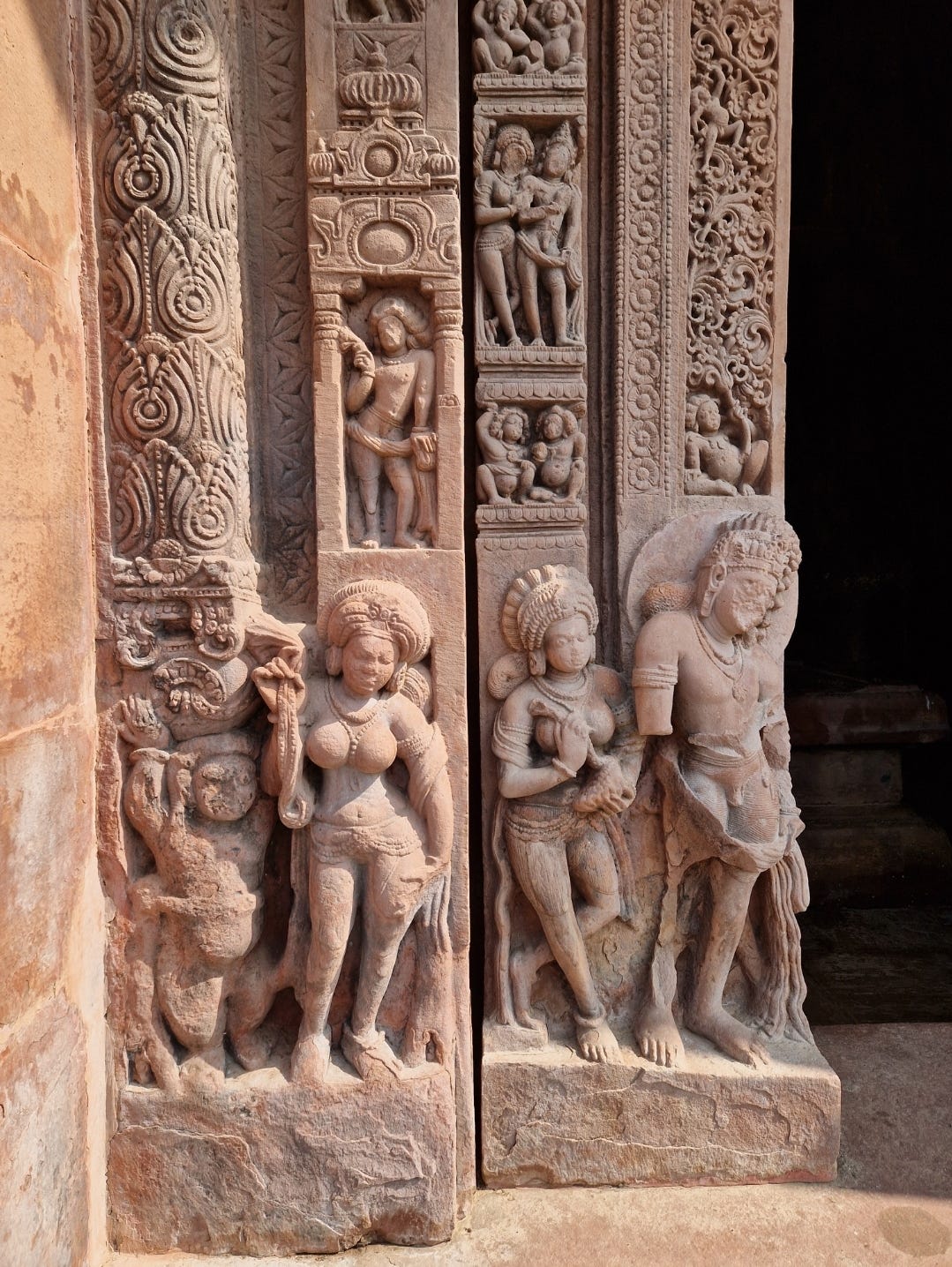
This is where the iconography that would dominate Hindu art for over a millennium truly took shape.
The First Temples
It's easy to forget just how new stone temples like the Dashavatara actually were when it was built. Indeed the Gupta Empire saw Hindu temple architecture first take its mature form.
