The Last Kings of Lanka
The Birth of Kandyan Painting

This Sri Lanka trip was organized by Emma Horne Travel and Tripfusiondmc. We stayed at The Alfred Digana and Lake Lodge Boutique Hotel - both extraordinary properties. I cant reccomend them enough!
Travels of Samwise takes a huge amount of work to run. If you’re enjoying this labor of love, please do consider becoming a paid subscriber. Dont forget to check out my new book Shattered Lands, which is available in both hardback and audible, and which you can order HERE. Its finally out in North America in a fortnight!
In the early 18th century, a young Telugu prince named Vijaya Rajasinha set sail from the South Indian city of Madurai for the island of Sri Lanka.
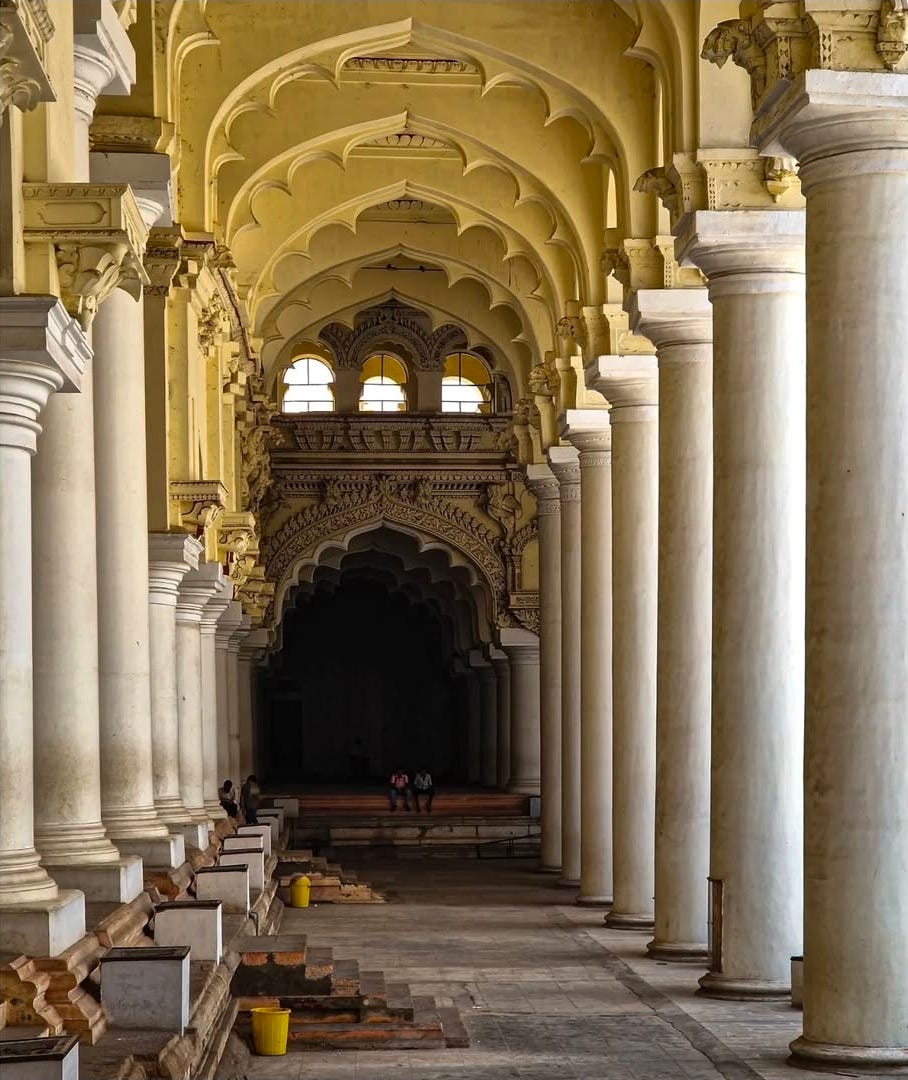
Vijaya Rajasinha was a scion of the Nayyaka dynasty - a powerful aristocratic family who had once ruled a vast kingdom in Southern India. Expanding the Meenakshi temple into one of the largest temples in the world, they had subsequently constructed a vast new palace in Madurai. Built just four years after the Taj Mahal, it remains perhaps the greatest surviving palace in the South.
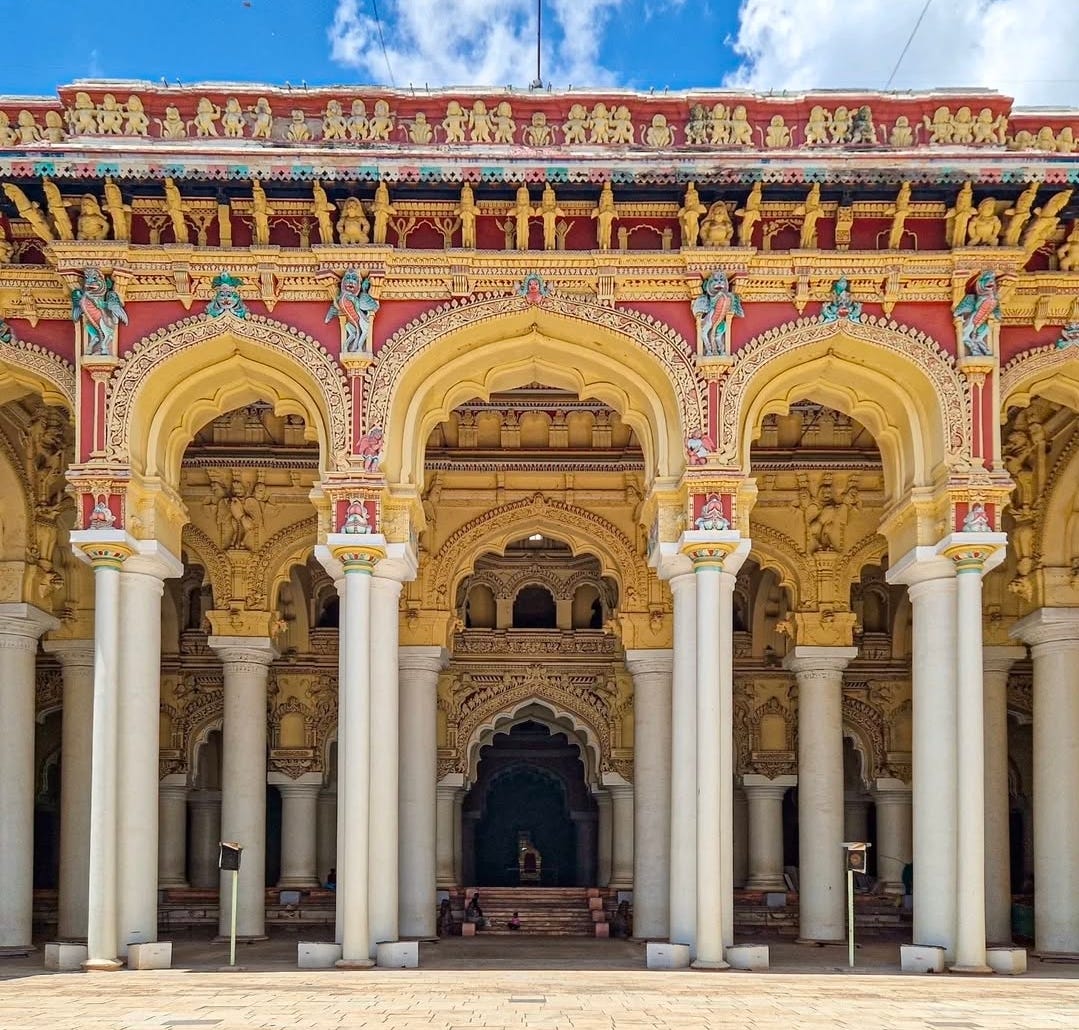
By the time Vijaya was born, however, his family’s power was fading. Hemmed in first by the Marathas and then squeezed between Carnatic Sultans and European trading companies, his family's dynasty was on its last legs.
Yet a dynastic marriage changed everything. His sister had married the King of Kandy, the last independent kingdom in central Sri Lanka, and when he had died without an heir, local custom dictated that the Queen’s brother - Vijaya - be placed on the throne.
And so, in a twist of fate, the Telugu-speaking Hindu prince was shipped off to Sri Lanka and crowned both the new King of Kandy, and the supreme guardian of the Theravada Buddhist faith.
It’s an event that sits uneasily with the island’s nationalist narratives, yet one that would kickstart the most vibrant artistic renaissance in the island’s history. For when Vijaya Rajasinha himself died a few years later, his successor – Kirti Sri Rajasinha – would kickstart one of the most sophisticated schools of painting in Ancient and Medieval South Asia.
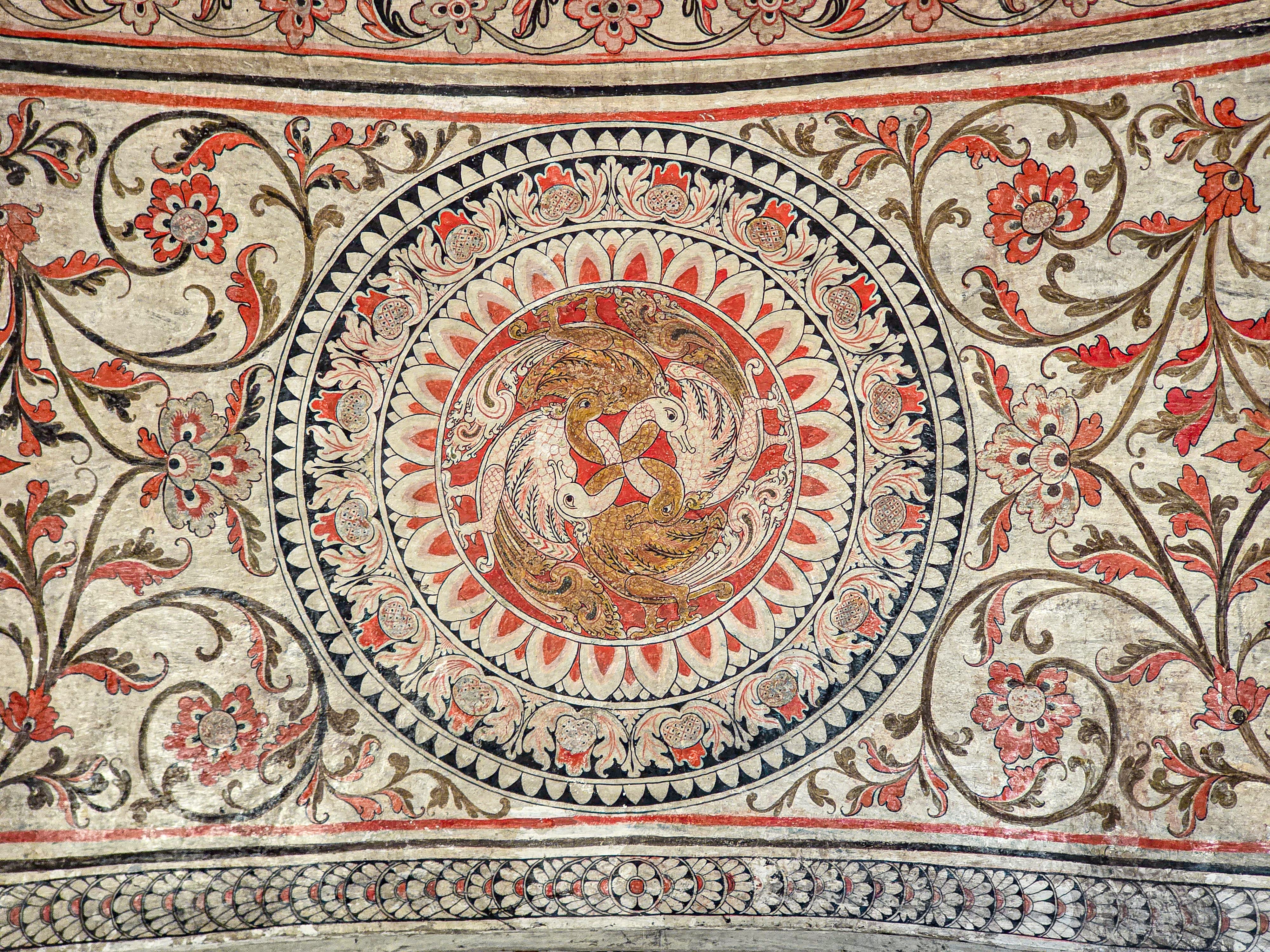
Kandyan painting has received far less attention that the Mughal, Pahari or Tanjore schools perhaps because it was largely a mural rather than manuscript tradition. Few international museums thus pay for specialists in the art.
Nonetheless, a number of wonderful studies HAVE been done by the likes of Ananda Coomaraswamy, Stella Kramrisch, Rhys Davids, Senake Bandaranayake and Gamini Jayasinghe. And as I am sure you will agree by the end of this article, it’s an artform rivalled by few others.
The Birth of the Kandyan School of Painting
Vijaya's successor - Kirti Sri Rajasinha - was a fascinating man. A contemporary of George III - the British king who lost the American colonies - Kirti Sri was a regal and cunning aesthetee devoted his life to balancing his South Indian roots with his role as the protector of Sinhalese Buddhist culture. He was acutely aware of his status as an outsider, and launched an extraordinary religious crusade. Yet his greatest contribution was to the arts.
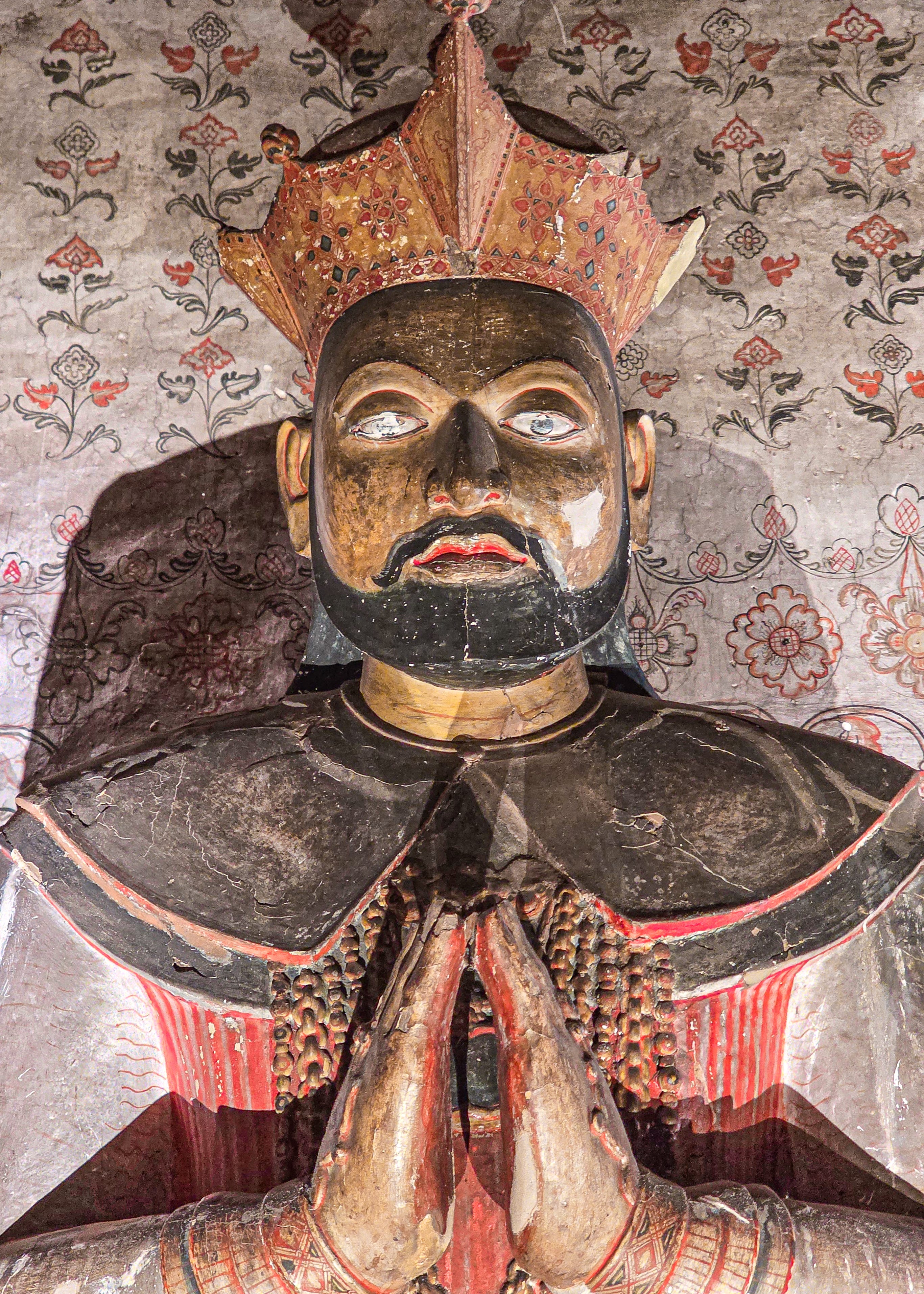
His earliest known commisions are at Medawala, from the first decade of his reign. Yet in a matter of years, hundreds of other shrines across Lanka were painted over and new ones re-erected.
Recent research has shown that Kirti Sri Rajasinha’s atelier was drawing on a host of earlier painting traditions. But so all-encompassing was his artistic vision that few monastic institutions in the Kandyan central highlands escaped his impact.
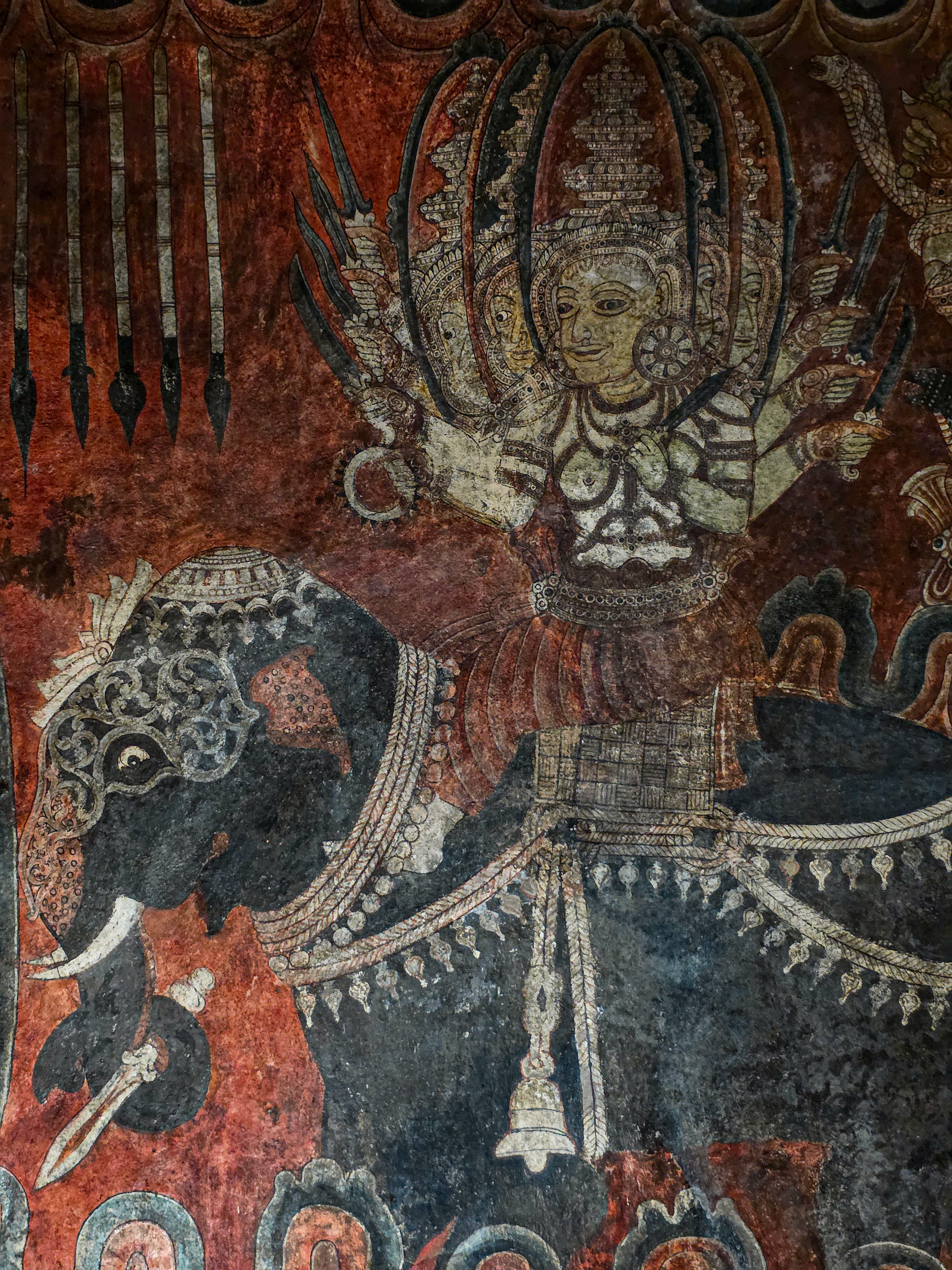
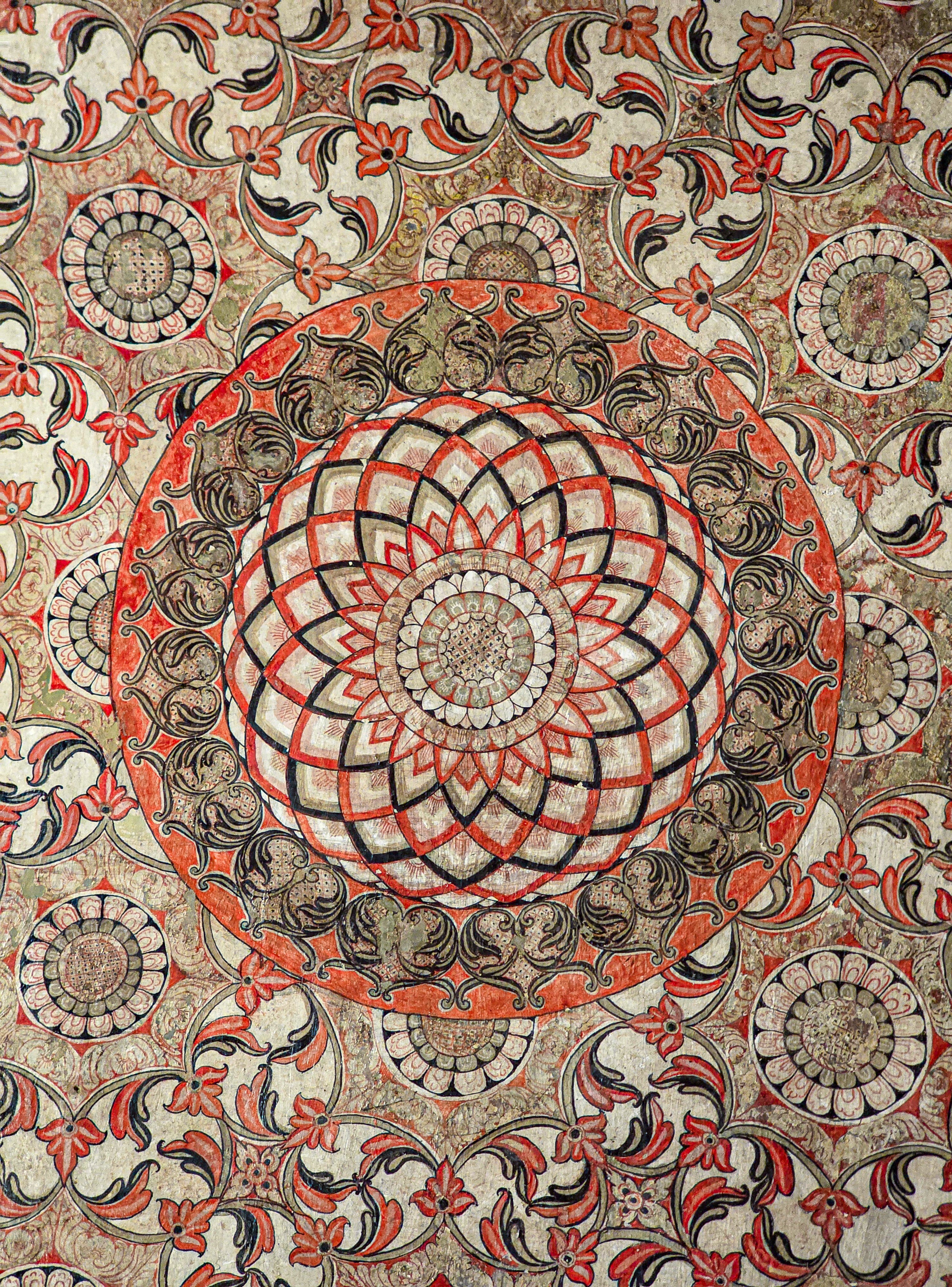
The style is defined by a heavy dependence on linework, uncrowded space, and white yellow and red pigments. Much like contemporary Mughal and Rajput painting, figures were depicted in profile or frontally, never from the back, and the backgrounds are almost always a vibrant, earthy red. The style is often called “Sittara” art, named after the guilds of painters who were both craftsmen and spiritual practitioners. These artists did not see themselves as creating “folk art” in the modern sense but as participating in an uninterrupted tradition that stretched back to the glory days of Anuradhapura and Polonnaruwa.
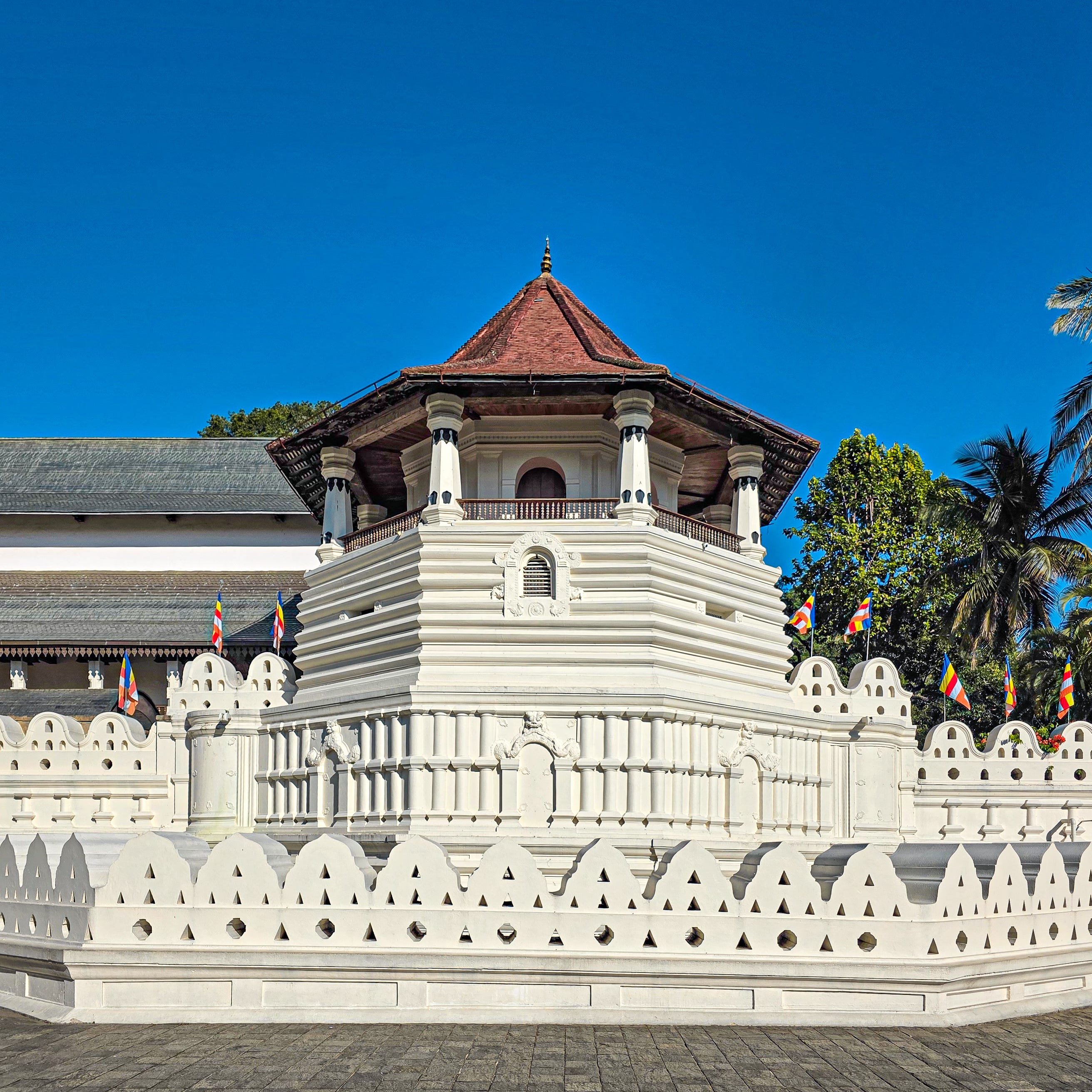
The most important site of Nayakkar patronage was the Temple of the Sacred Tooth Relic, or the Dalada Maligawa. By the 18th century, the possession of the Tooth Relic had become synonymous with the right to rule the island, and it was the Nayakkar kings who transformed it into the architectural masterpiece we see today.
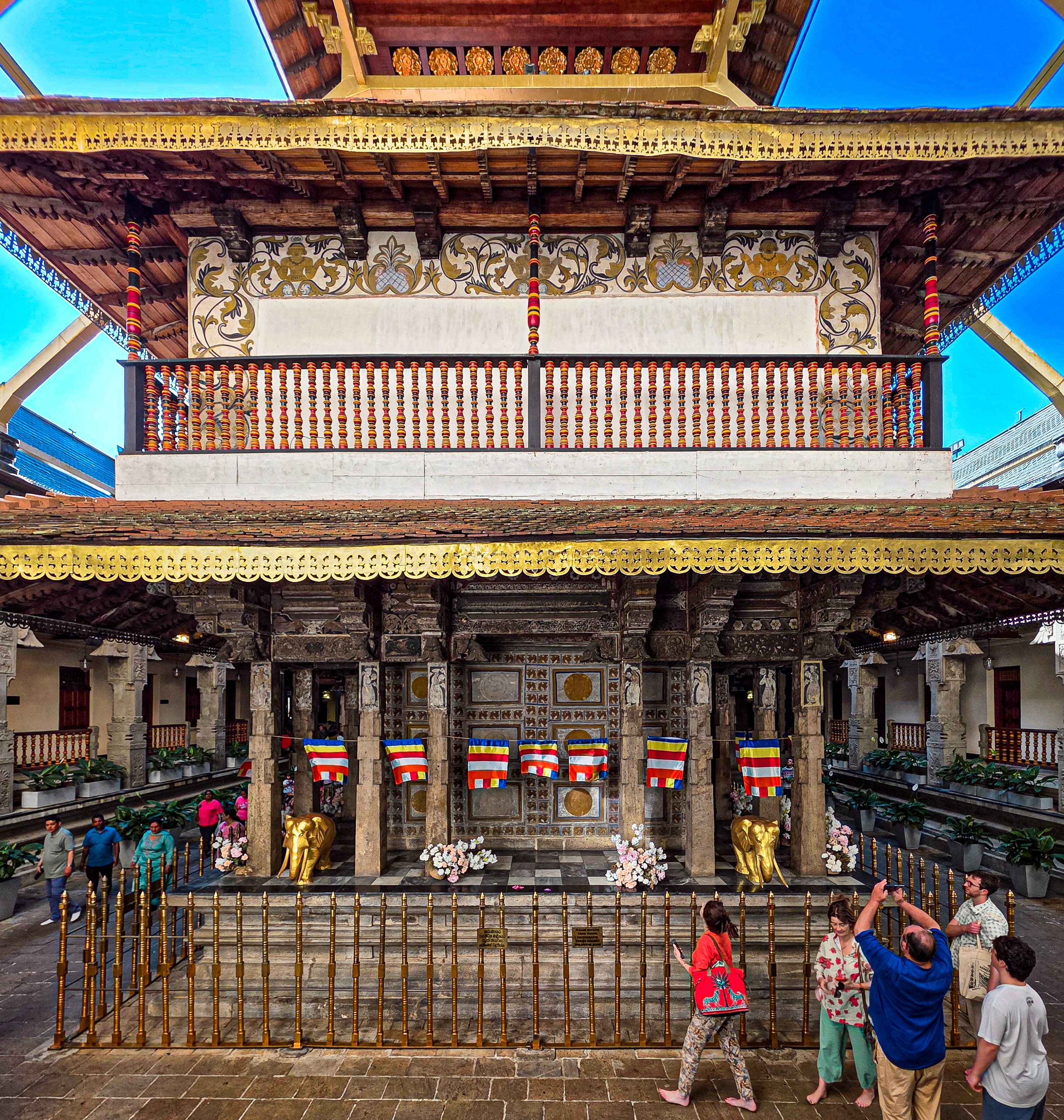
A land grant from 1752 tells us that Kirti Sri revived Buddhist practice: “Hundreds of ruined temples were repaired in different places, including the Relic Temple, offerings of gardens, fields, and flower gardens were made to Anuradhapura, Samanatakutaya, Mahiyanganavehera, the Dalada Maligawa, and other vihara.”
Degaldoruwa and Galmaduwa
While the Temple of the Tooth was the royal center, it is in the nearby monasteries of Degaldoruwa and Galmaduwa that we first glimpse the scale of the artistic renaissance that was underway.
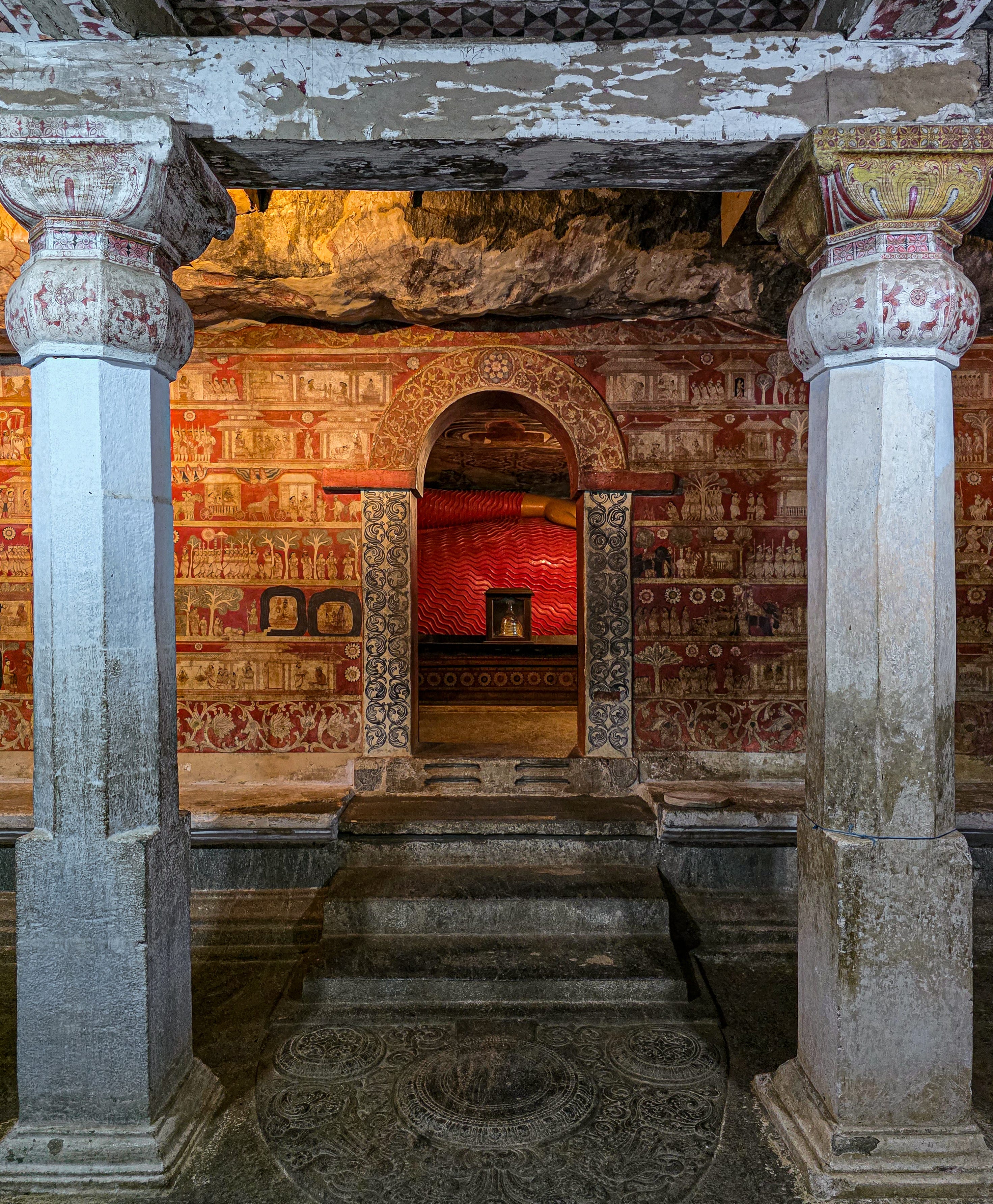
Here, Kirti Sri Rajasinha commissioned four master painters, led by Devendra Mulachari and the monk-painter Devaragampola Silvattenne Unnanase, to transform this rock-cut monastery into a vivid art gallery.
