
The Temples, Churches and Synagogues of Karachi
Minority Worship in Pakistan's Greatest Megacity

Back in February, whilst touring my book Shattered Lands in Pakistan, I spent a month tracking down Pakistan’s remaining Hindu heritage.
The land that now constitutes Pakistan was one of the birthplaces of Hinduism. The Rigveda was first composed here, Classical Sanskrit was first codified by the grammarian Panini on the outskirts of modern Islamabad, and several of the most important Hindu temples in the subcontinent - from Kashmir’s Sharda Peeth to Baluchistan’s Hinglaj Mata - now fall within the country’s borders.


The most spectacular temples I came across on my trip were the temples of the Salt Range, built by the Turk and Hindu Shahis, the last two Hindu dynasties to rule over the region. Yet with the exception of Katas Raj, they are all closed for worship today. Indeed tragically few Hindu sites are actually worshipped in Pakistani Punjab today, despite the quiet revival of Sikh and Jain heritage across the province.
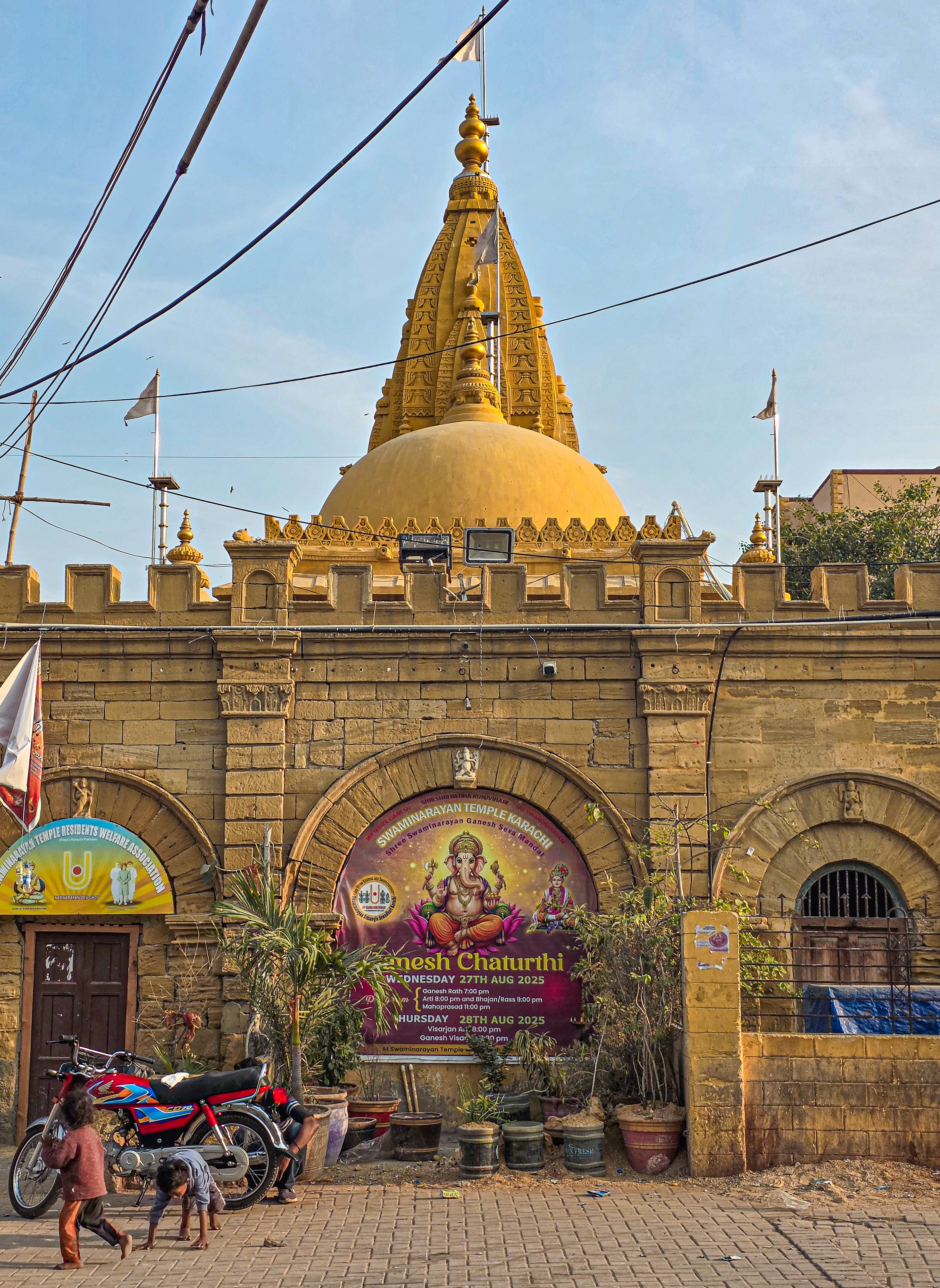
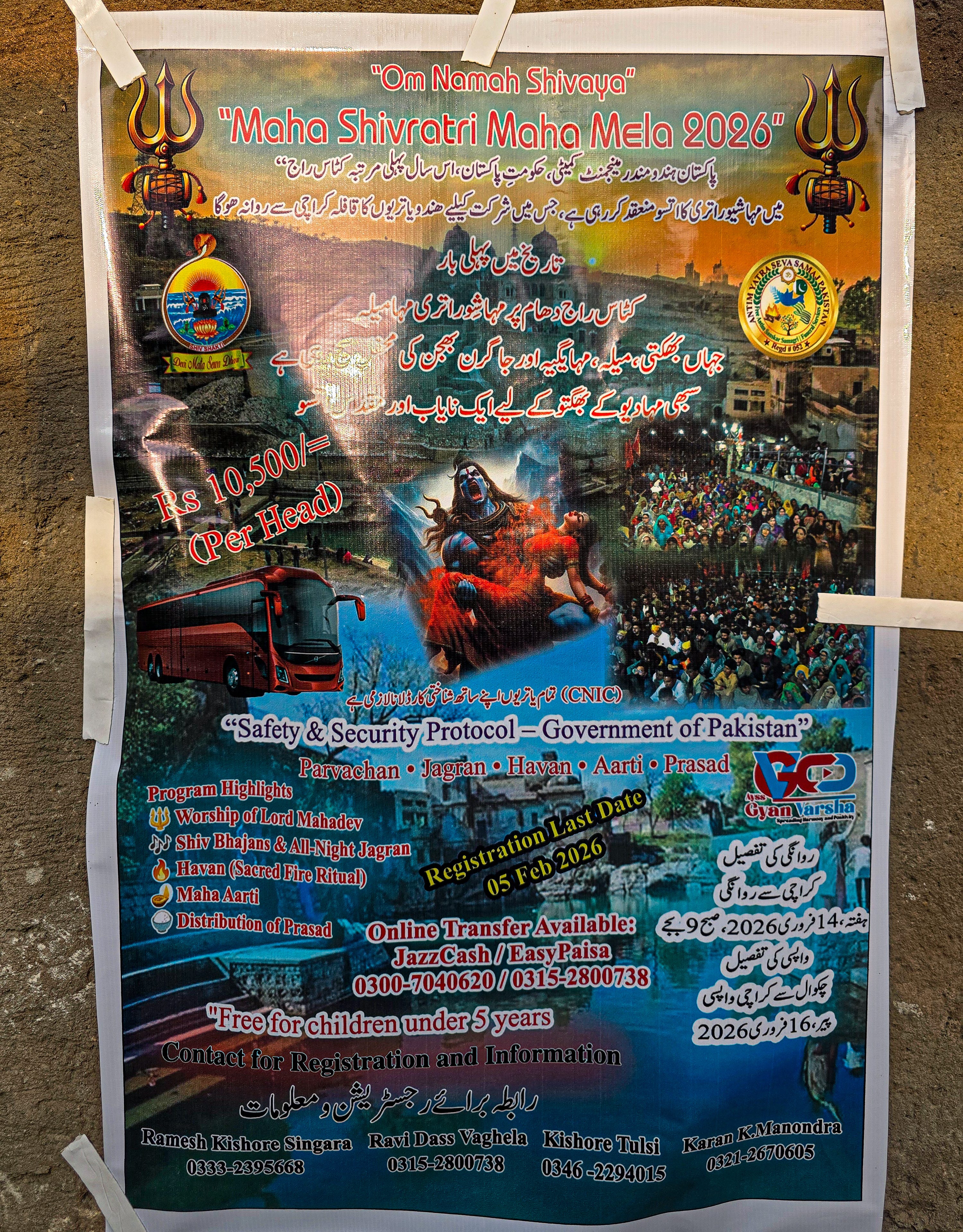
I was thus surprised when I began to track down temples in Karachi, because with few exceptions, they were all very much active. Walking through the gate of the Swaminarayan temple, for example, a large poster announced the timings for a Ganesh Rath procession through the city. A second poster printed in Urdu advertised a Hindu pilgrimage to the Temples of Katas Raj, sponsored by the Government of Pakistan.
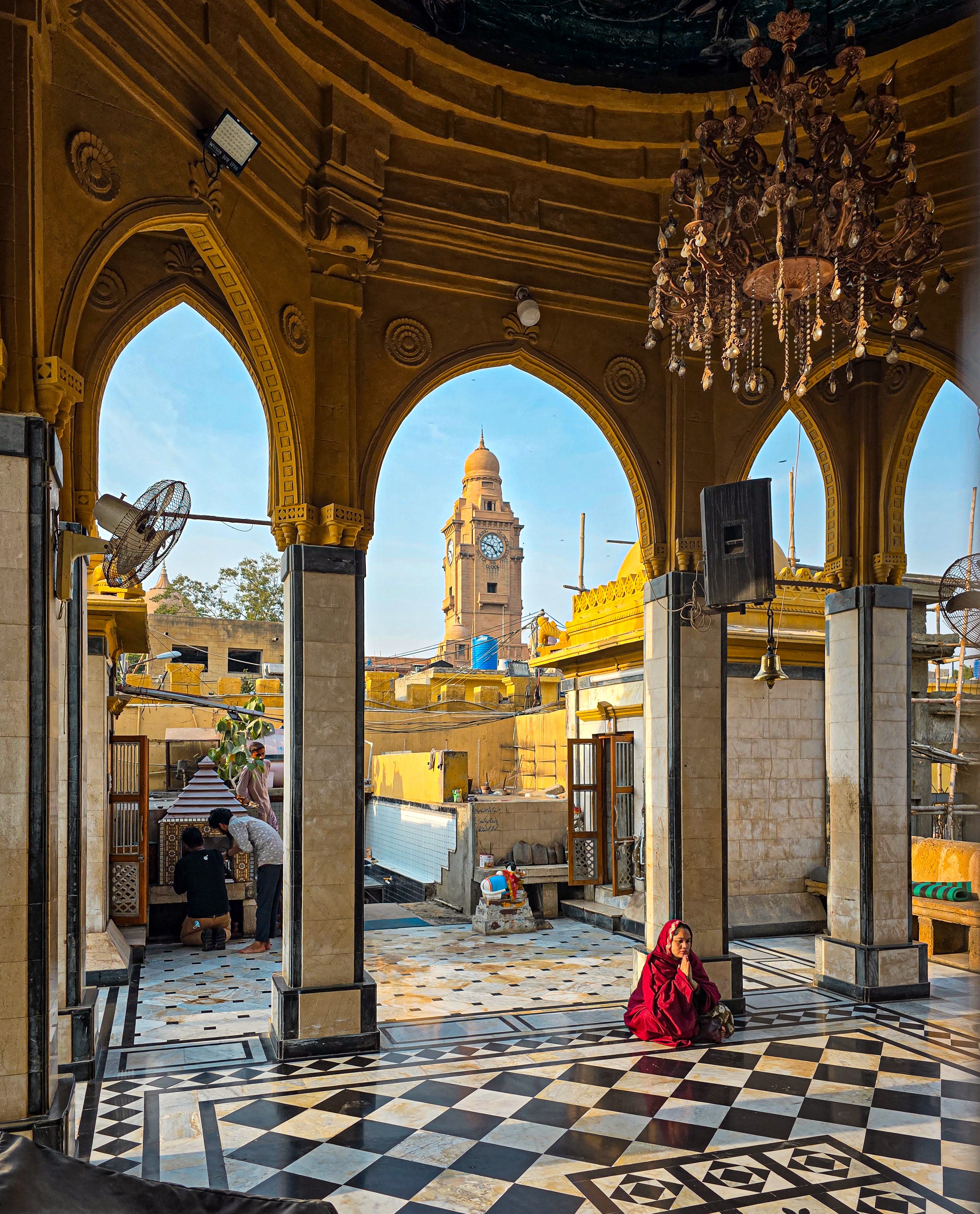
Behind the gate, a woman in a red shawl sat on a chequerboard floor praying to Krishna. Then the priest appeared, introducing himself as Pandit Vijay, and began to explain its history.
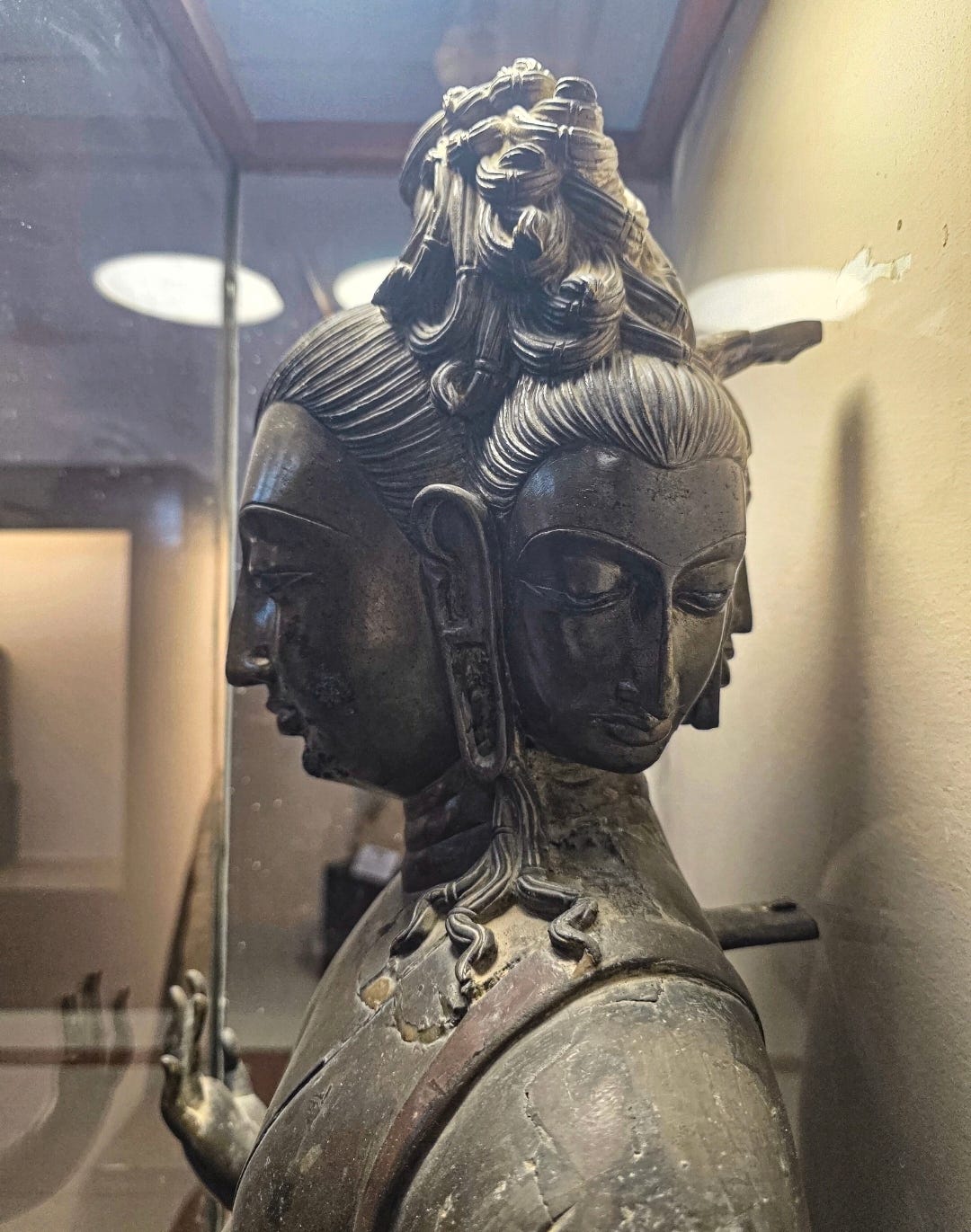
We still don’t know the religion of the Indus Valley civilisation – no temples have ever been discovered - yet by the early centuries AD, religious devotion in Sindh was incredibly varied. Buddhist stupas testify to the prevalence of Buddhism, while the extraordinary bronze Brahma that was unearthed in a field nearby testifies to the prevalence of Hindu worship here. Indeed this Gupta era image of Brahma remains the earliest known metal image of Brahma anywhere.
Greek and Persian gods also thrived here, and hoards of Sassanian coins have suggested that the presence of Zoroastrianism in Sindh may be much older than we typically imagine.
Whatever the case, everything changed in 712 AD when the Umayyad commander Muhammad bin Qasim conquered the region and brought political Islam to the subcontinent for the first time. The caliphate’s new subjects were subsequently granted the status of dhimmis, and permitted to worship in their temples so long as they paid the extortionate jizya tax on non-Muslims. A grand sun temple in Multan, for example, was kept as both a source of revenue as well as to keep the idol hostage - it could be threatened to deter attack.
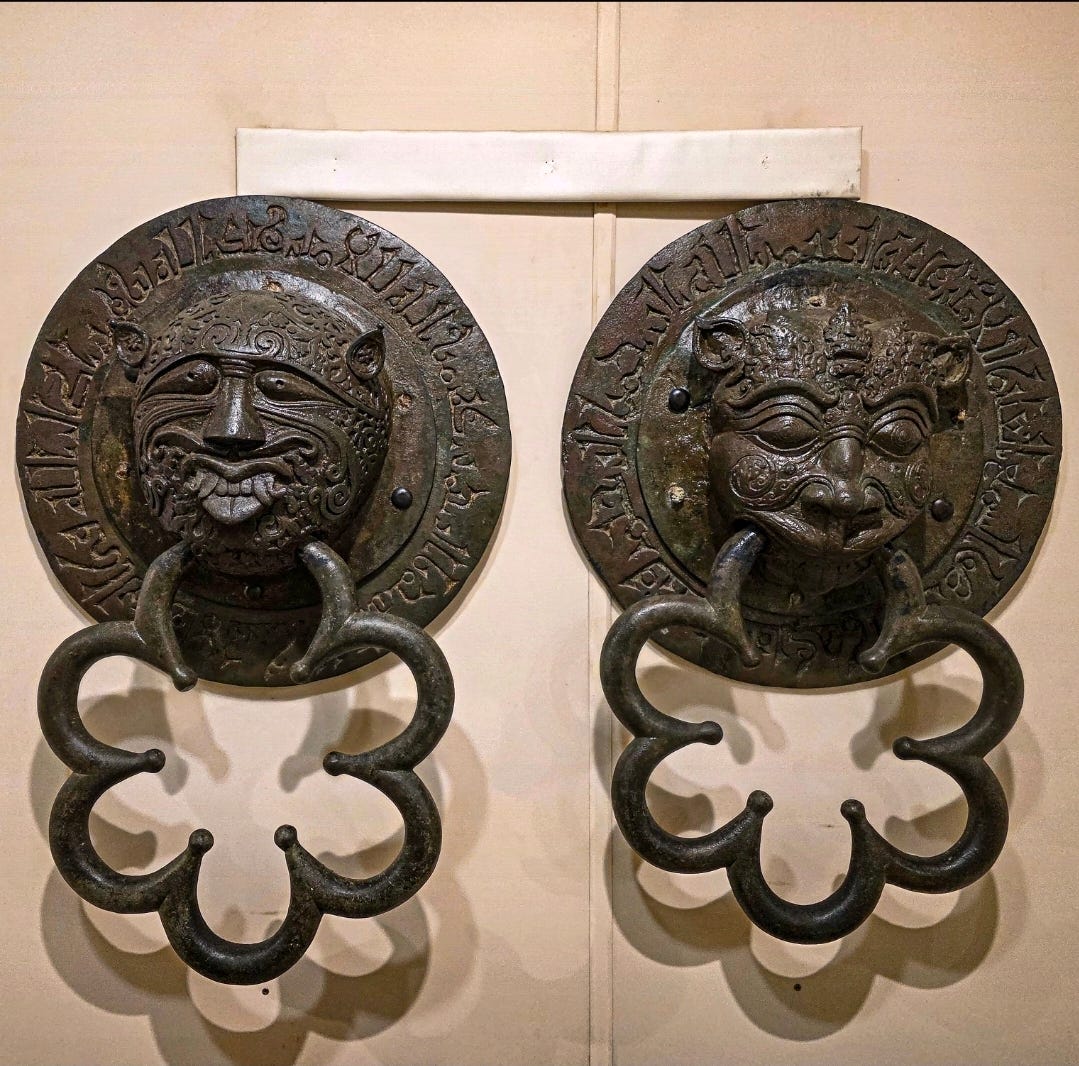
Buddhism soon disappeared from Sindh as Buddhists began to adopt Islam, yet Hinduism survived and blended into Islamic tradition. The Sindhi river God Jhulelal for example, was quickly adopted as a Sufi saint by Sindh Muslims. Boatmen who propitiated Jhulelal also made offerings at the tomb of Lal Shahbaz Qalandar at Sehwan, whose epithet Lal testifies how closely integrated their worship became. At Odero Lal, meanwhile, stands a Mughal shrine dated to 1684 divided by a single wall. Muslims pray to Sheikh Tahir on one side while Hindus perform aarti to Jhulelal on the other, and both revere the Indus that runs nearby.
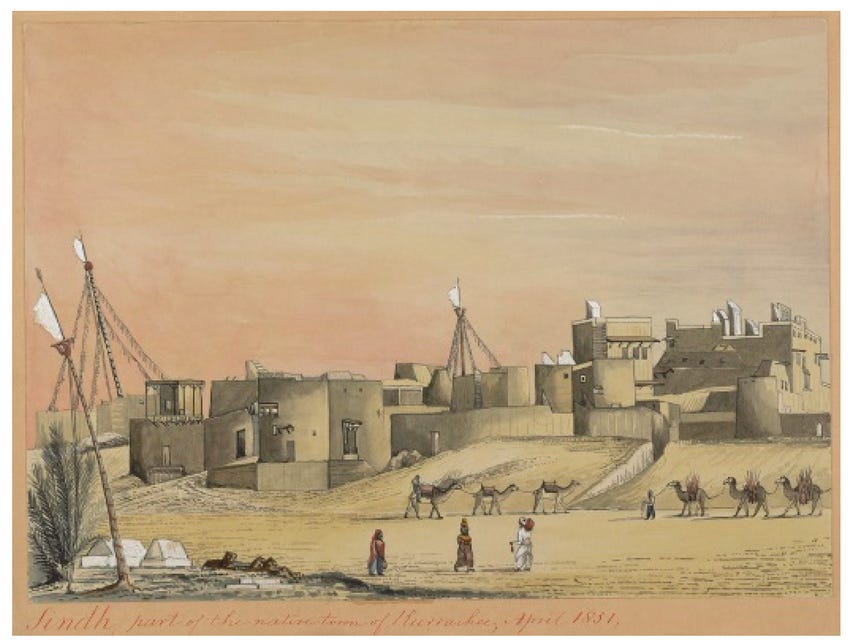
Karachi emerged in this syncretic world when, in the late 18th century, the Talpur Mirs fortified the fishing settlement of Kolachi into a major port, and as the town transformed into one of the great ports in Asia, a host of new communities began to arrive.
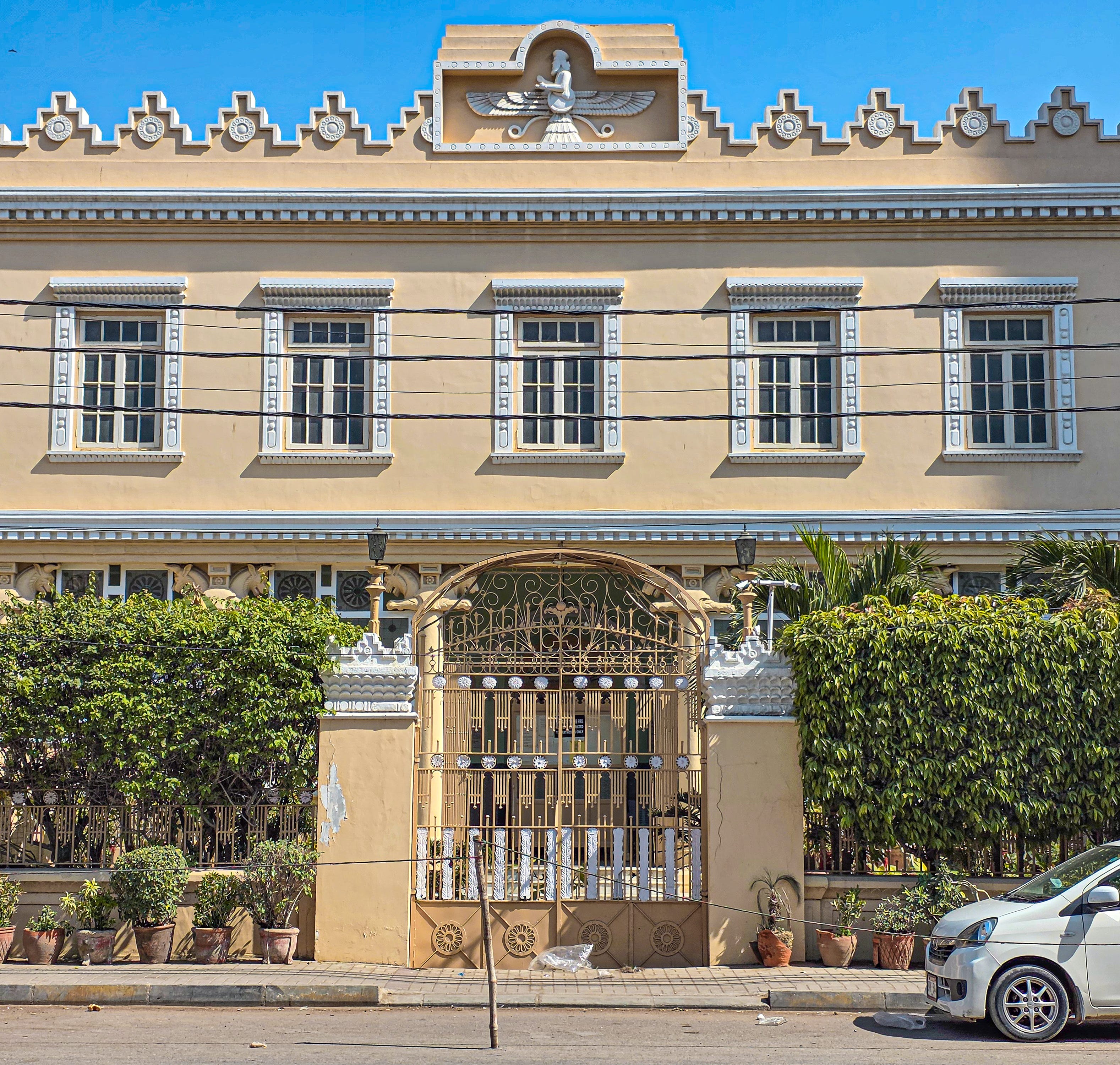
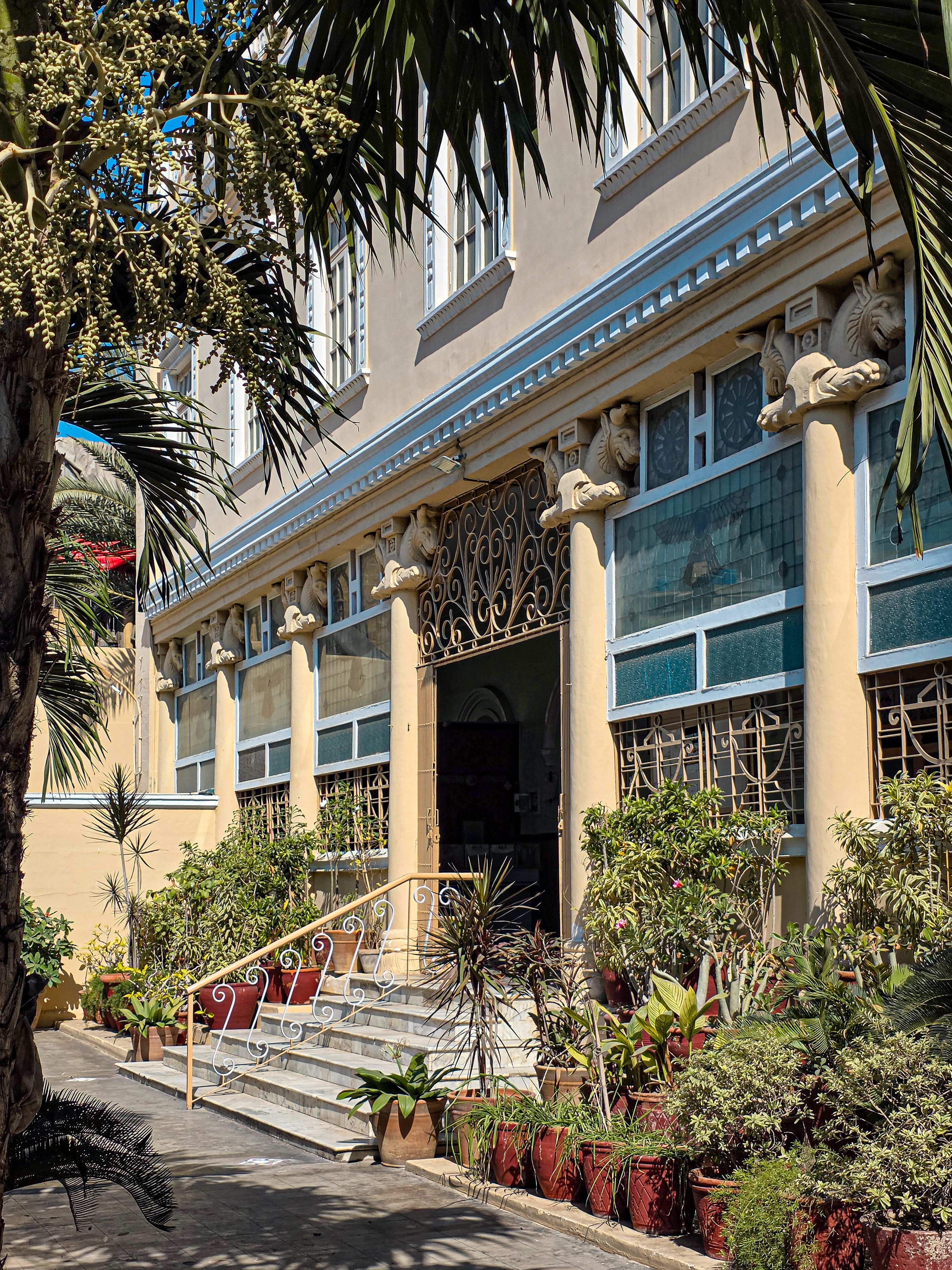
One of the earliest was the Parsi community, and the H. J. Behrana Parsi Dar-e-Meher, a Zoroastrian fire temple consecrated in 1849, still stands in the heart of Saddar. It is one of the oldest buildings in the city, and was built to mirror the architecture of the ancient Persian capital of Persepolis. The Parsi community subsequently built much of modern Karachi, and also gave the city its first elected mayor, Jamshed Nusserwanjee.
Christians also began to settle in the city. The 1867 St Andrew’s Kirk, first example, was built for the Scottish Presbyterian community, complete with gothic-timbered interiors and a memorial to the Highland Light Infantry.
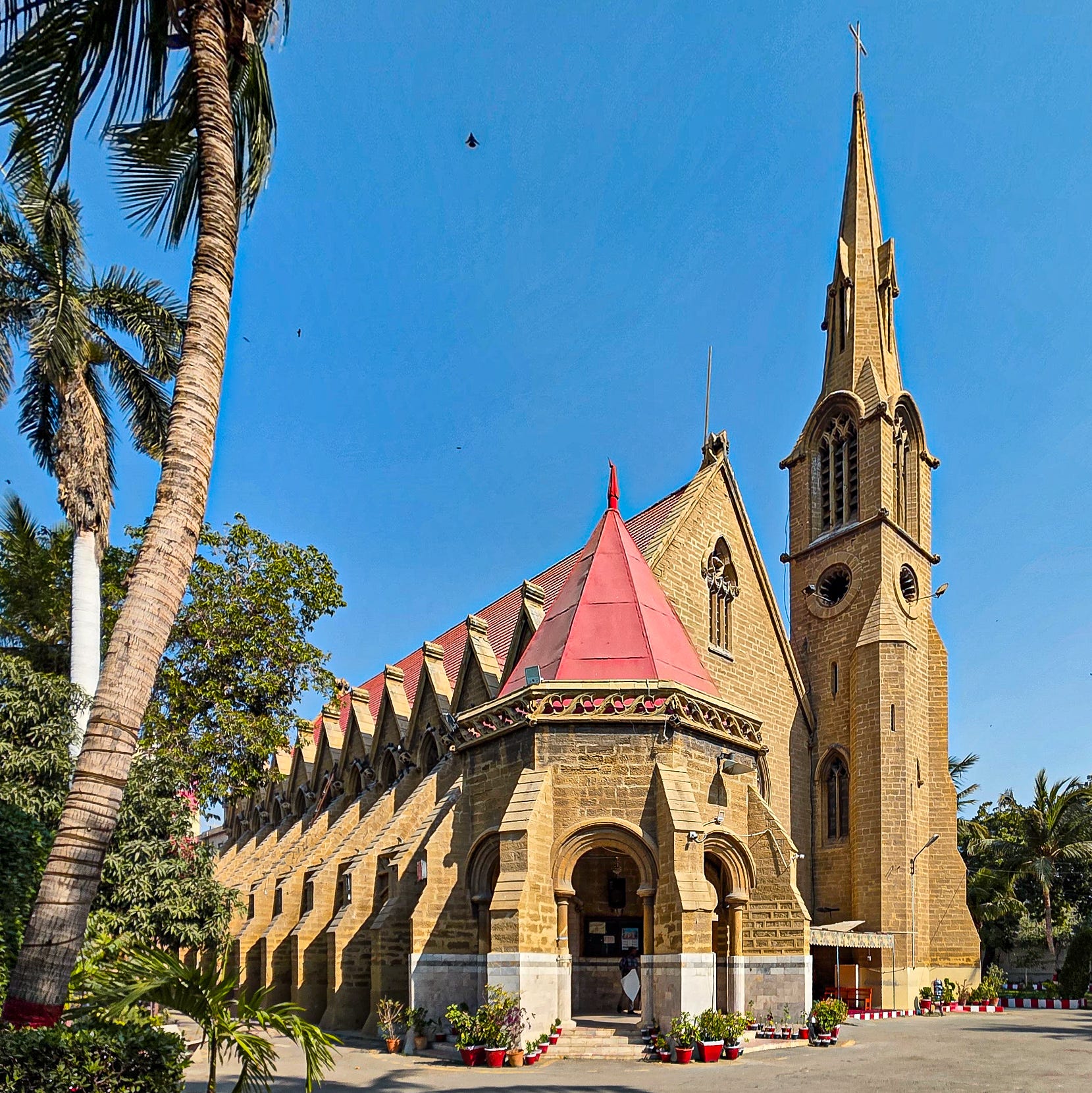
Goan Catholics, meanwhile, found employment in the city as teachers, clerks, lawyers, judges and railway men. They subsequently built churches and schools, and would eventually give the city a Goan mayor.
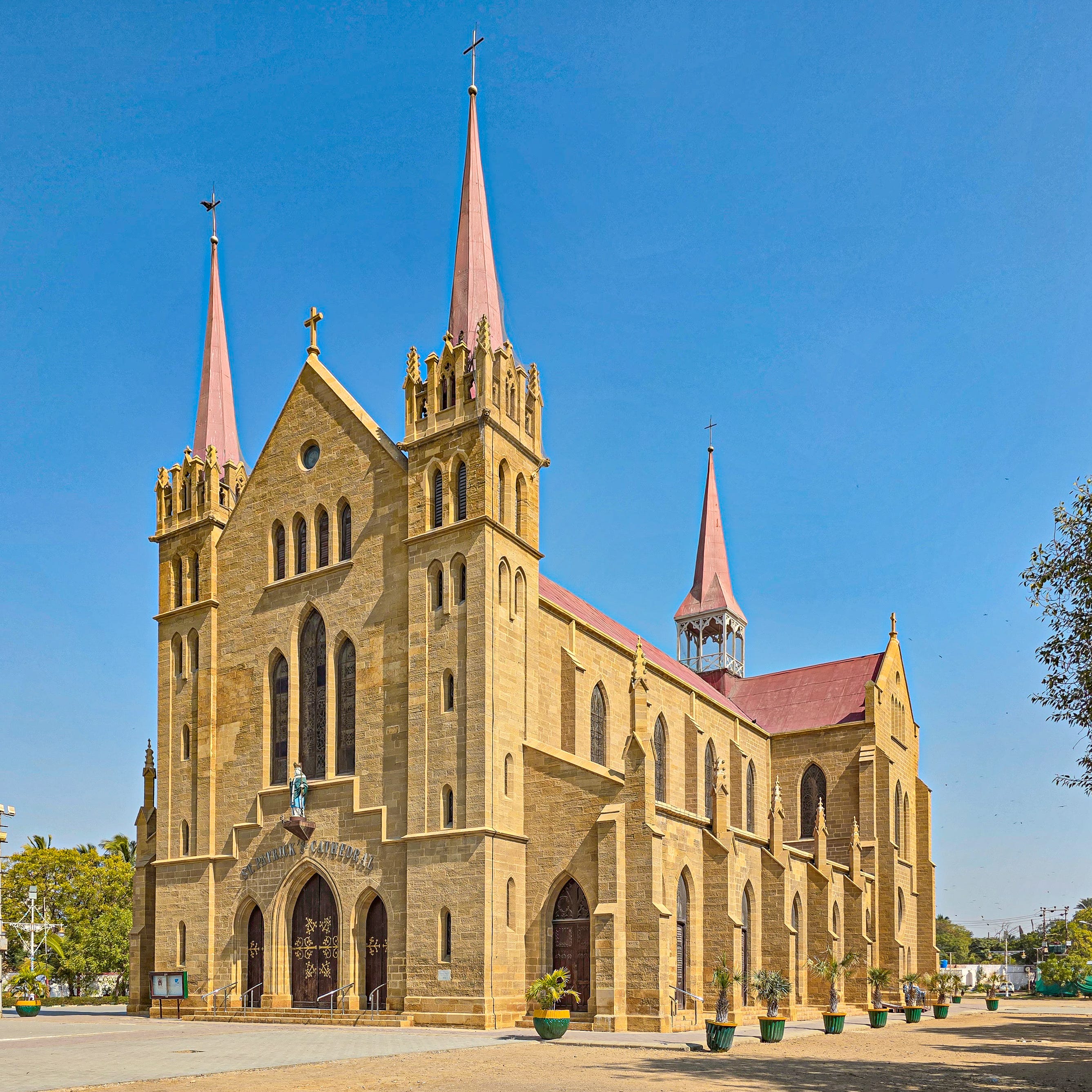
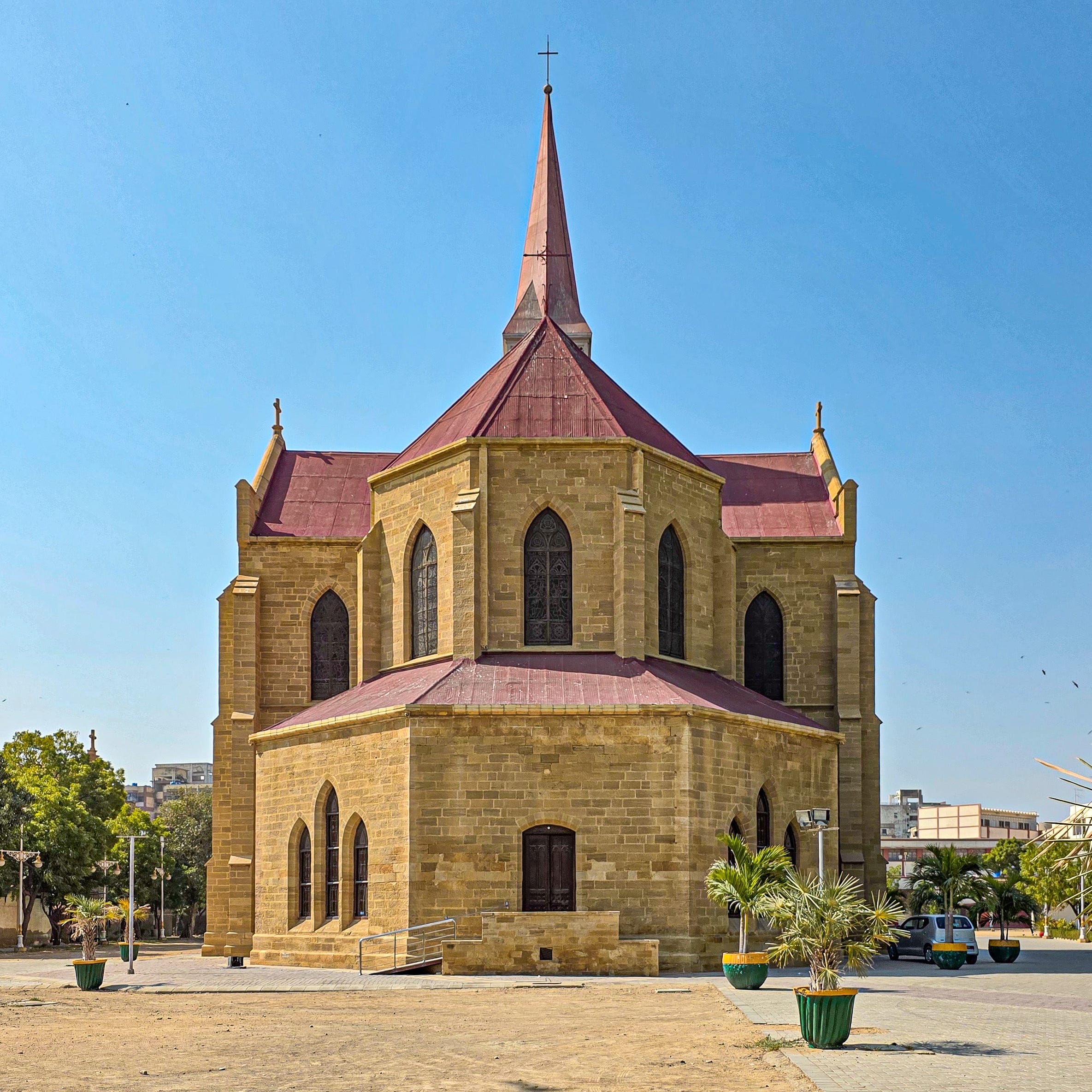
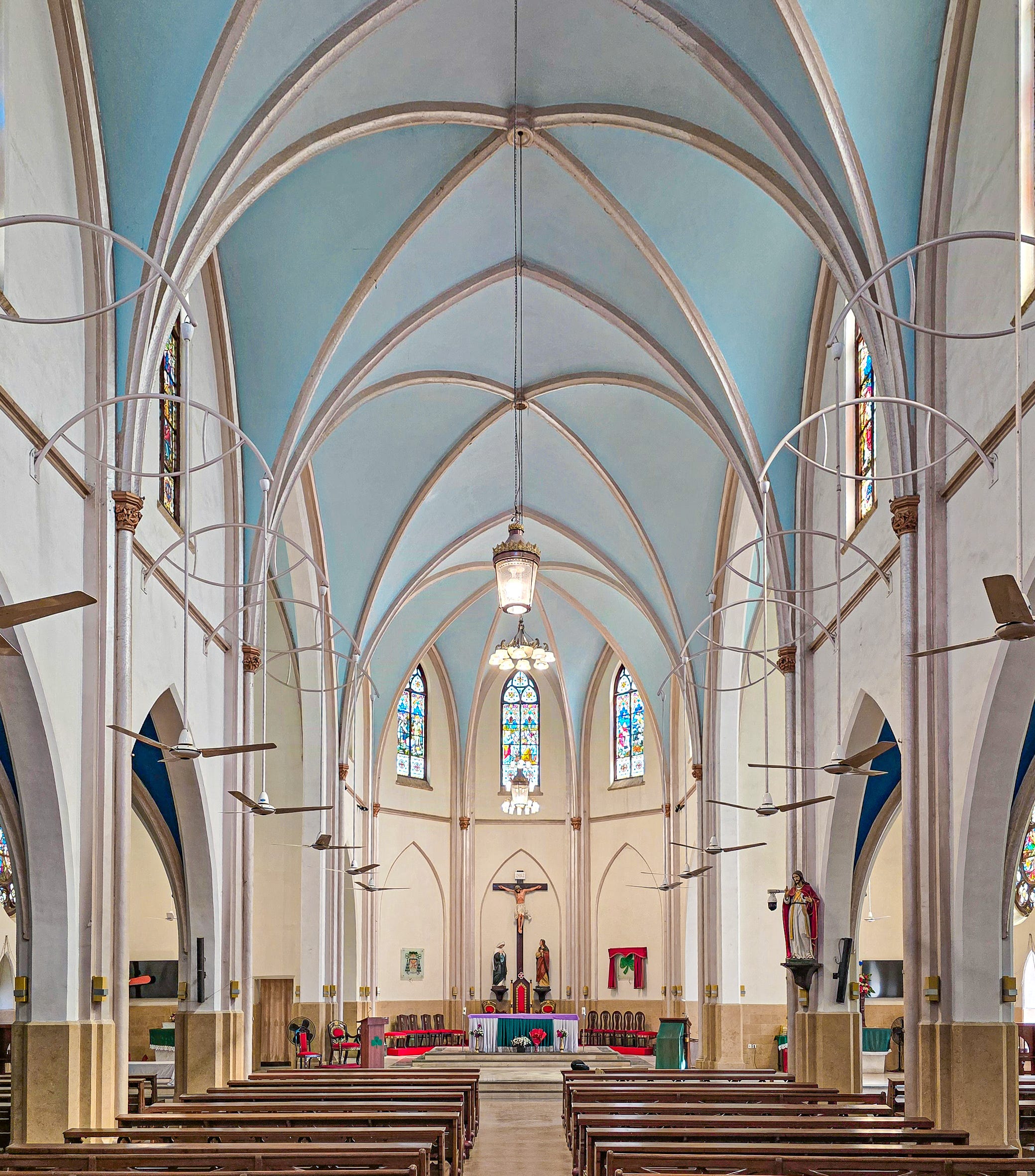
St Patrick’s Cathedral, a soaring pile completed in 1881, remains the heart of Catholic Karachi, and Lal Krishna Advani, the Indian politician and architect of the Ram Janmabhoomi movement, was one of the many students who studied in the Cathedral school next door.
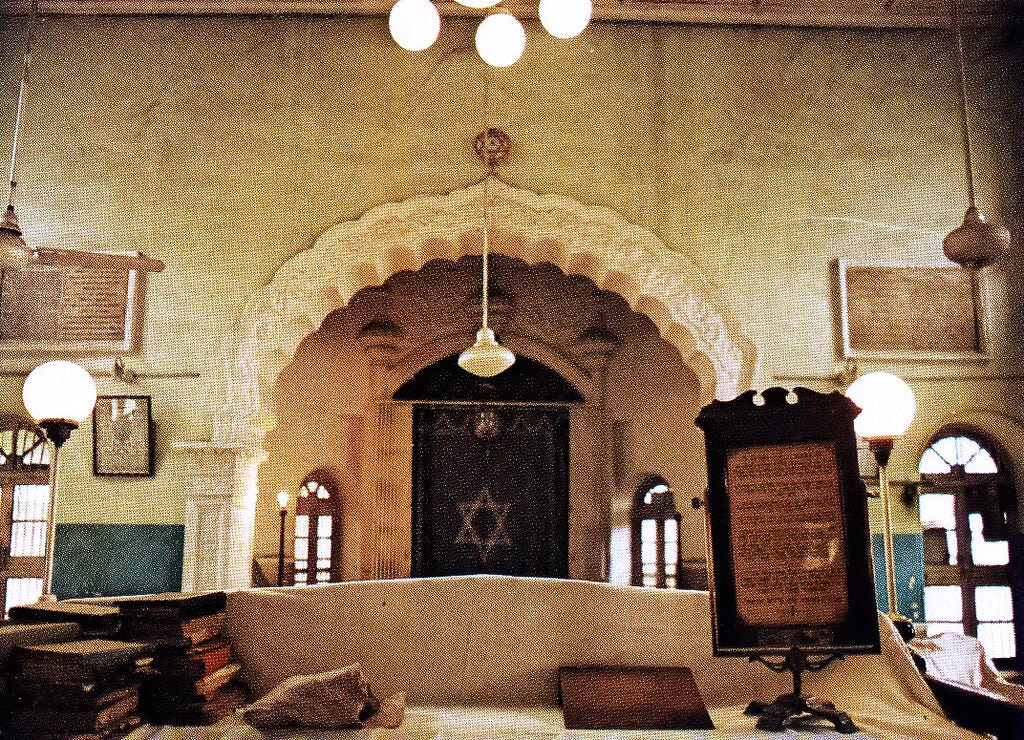
By 1893, the city even had its own Synagogue. One member of the community, Abraham Reuben, became a councillor on the Karachi city corporation in 1936.
***
By the early 20th century, Sindh as a whole was a quarter Hindu but in four of the province’s five largest cities, Hindus formed an outright majority: Hyderabad was over 70% Hindu, Shikarpur and Larkana were over 62% Hindu, and Sukkur was nearly 59% Hindu. Karachi was the only one of Sindh’s five major cities without a Hindu majority – the 1941 census put its Hindu population at 47.6%. Another 40% of the population was Muslim while the remaining tenth was a mosaic of Parsis, Jews, Christians, Sikhs and Jains.
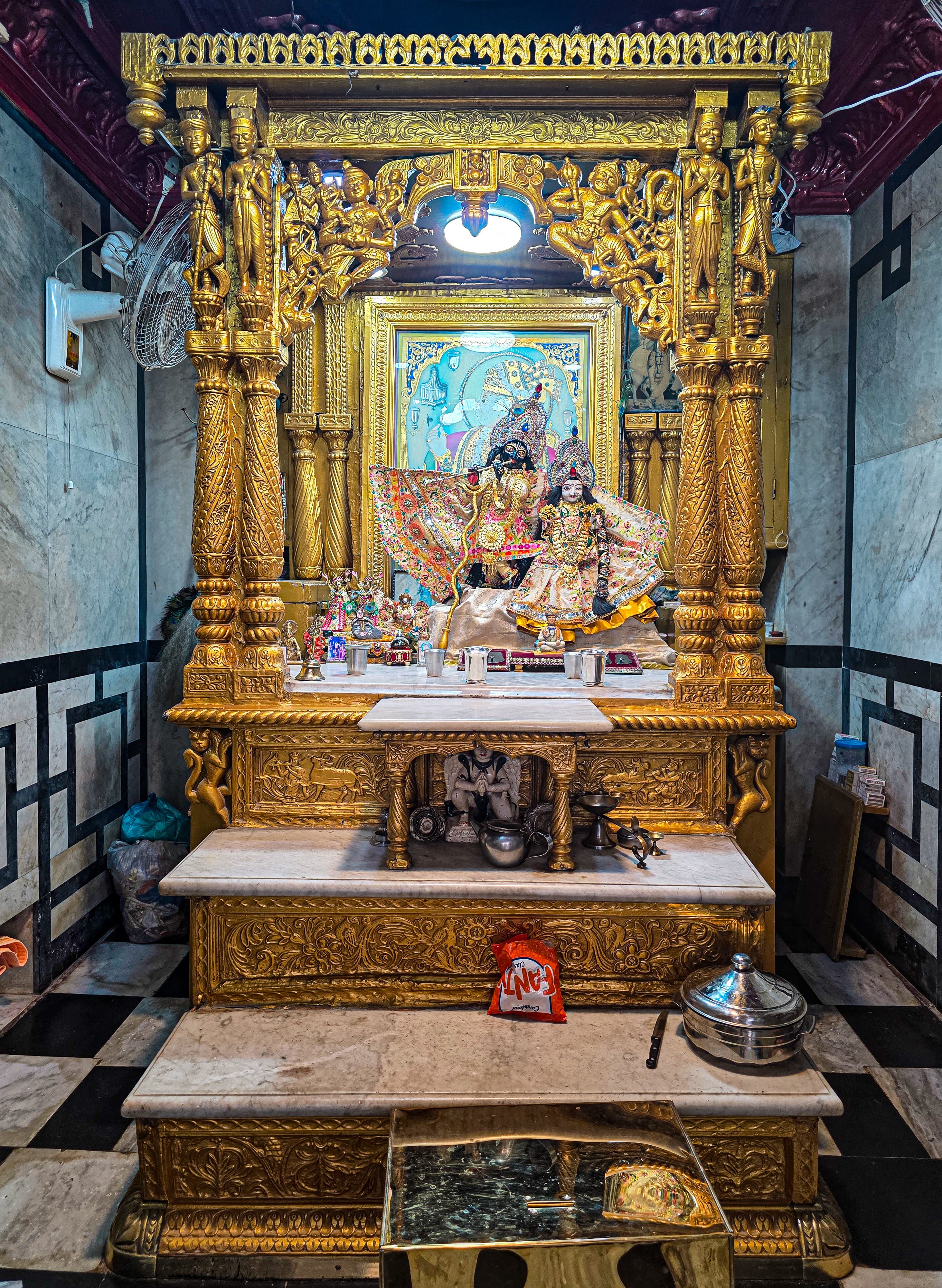
But this would all change in 1947. As Partition violence spread over much of North India, Sindh remained remarkably calm. The break came in January 1948, when Karachi's only major partition pogrom sent the minority population into flight. In the first half of 1948, the bulk of Sindh’s urban Hindus sailed for Bombay falling from 26.4% Hindu in 1941 to just under 8% by 1951.
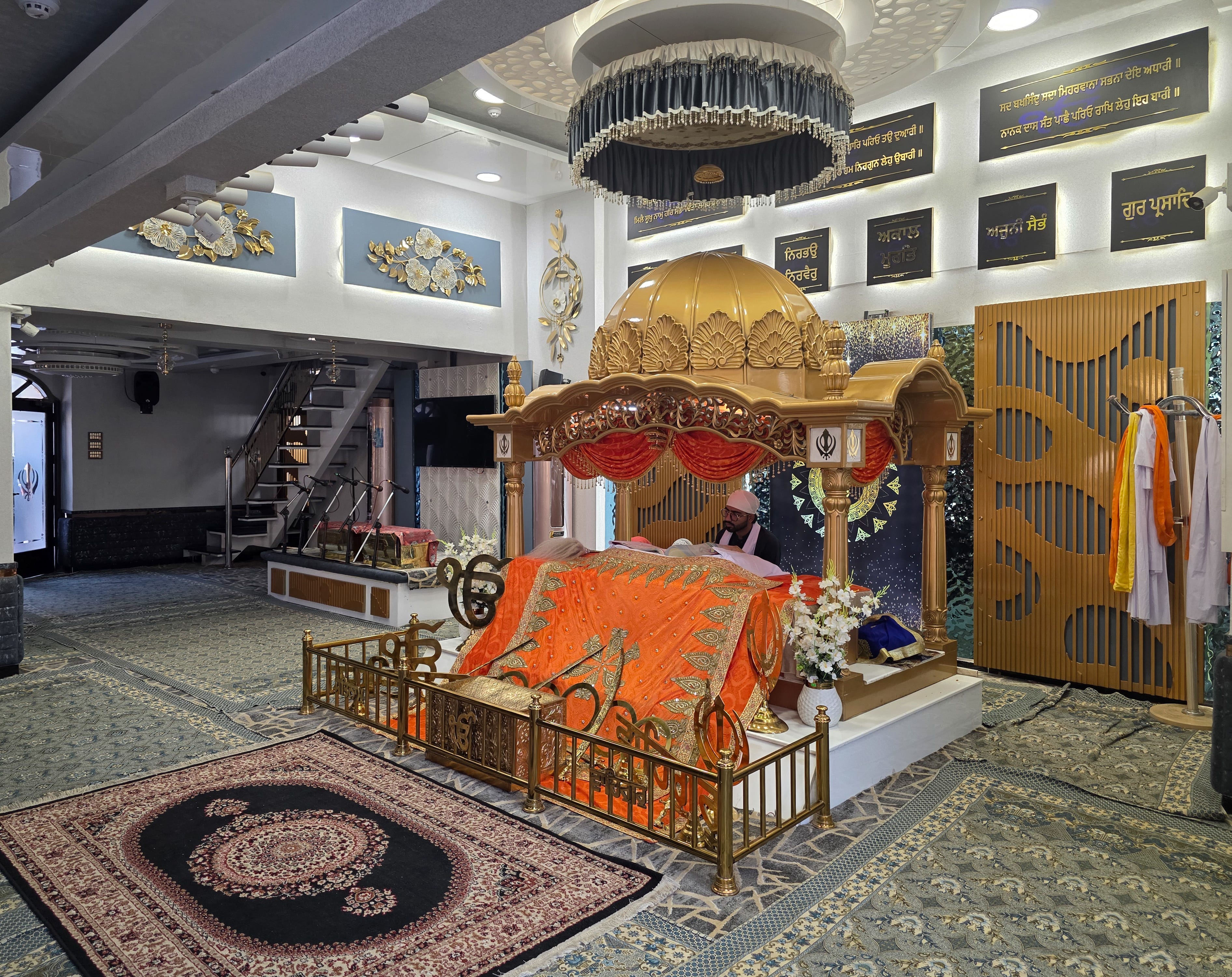
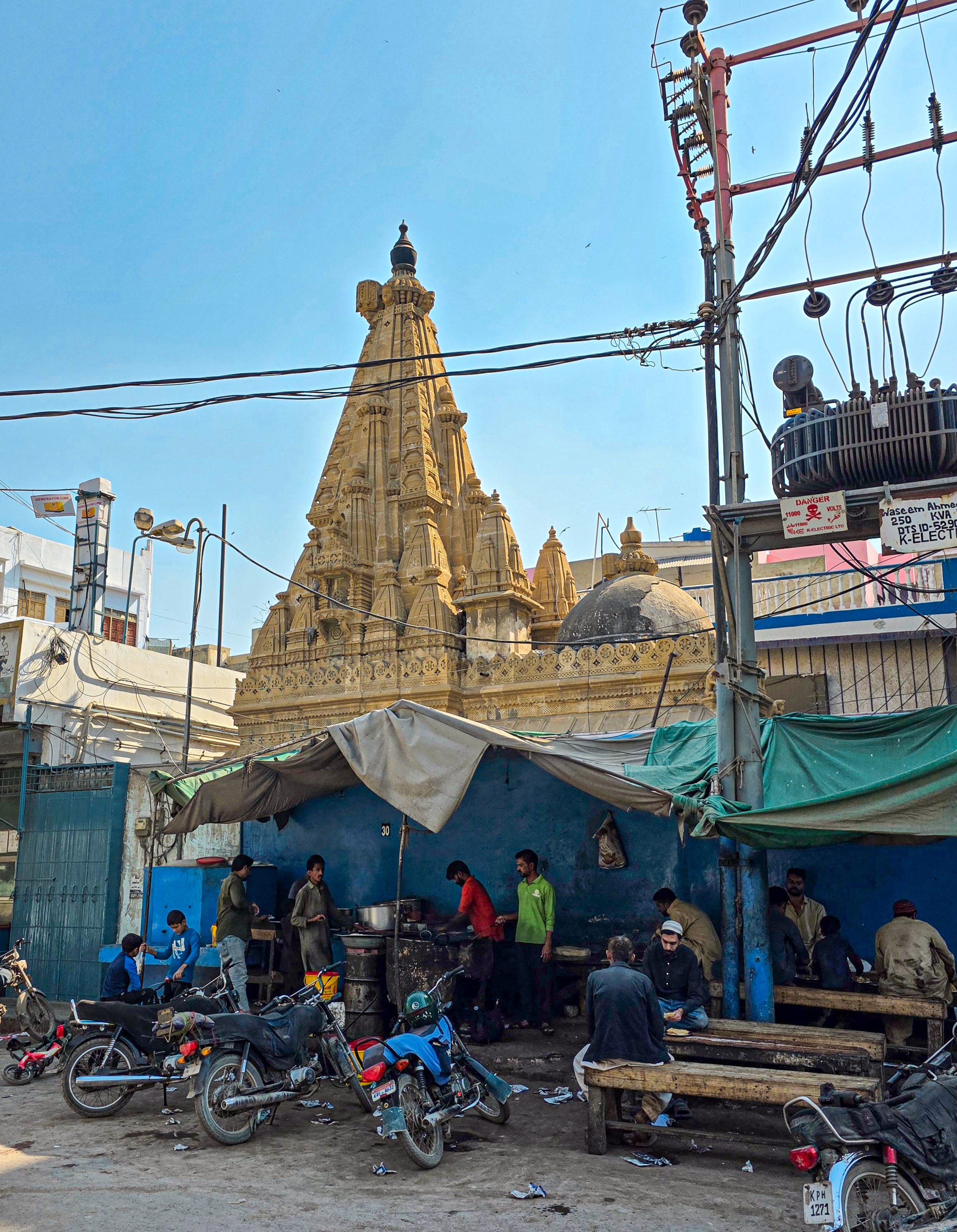
The courtyard of Karachi’s Swaminarayan temple became a transit camp for Sindhi Hindus waiting for ships to carry them to Bombay. Abandoned temples, meanwhile, fell to a state body called the Evacuee Trust Property Board. This organization was meant to be their guardian but has too often let them crumble or lost them to encroachment. A Supreme Court order to clear such occupations has recovered only a fraction. I found one such temple – the Rattan Chand Mandir – in the lanes of Saddar. Several centuries old, it has been locked for decades and no one in the neighbourhood seems to know who holds the key. The family who owned it left at Partition, and a roadside dhaba has begun to encroach on the temple’s land.
Many of Karachi’s other communities followed their own trajectories of departure. In July 1988, during the high tide of Zia-ul-Haq’s Islamisation, Karachi’s synagogue was demolished to make way for a shopping plaza, and the remainder of the city’s Jewish community moved to Israel. The city’s Goans, meanwhile, gradually drifted to the Gulf, Canada and Australia, accelerated by the same Islamisation that pushed out the Jewish population.
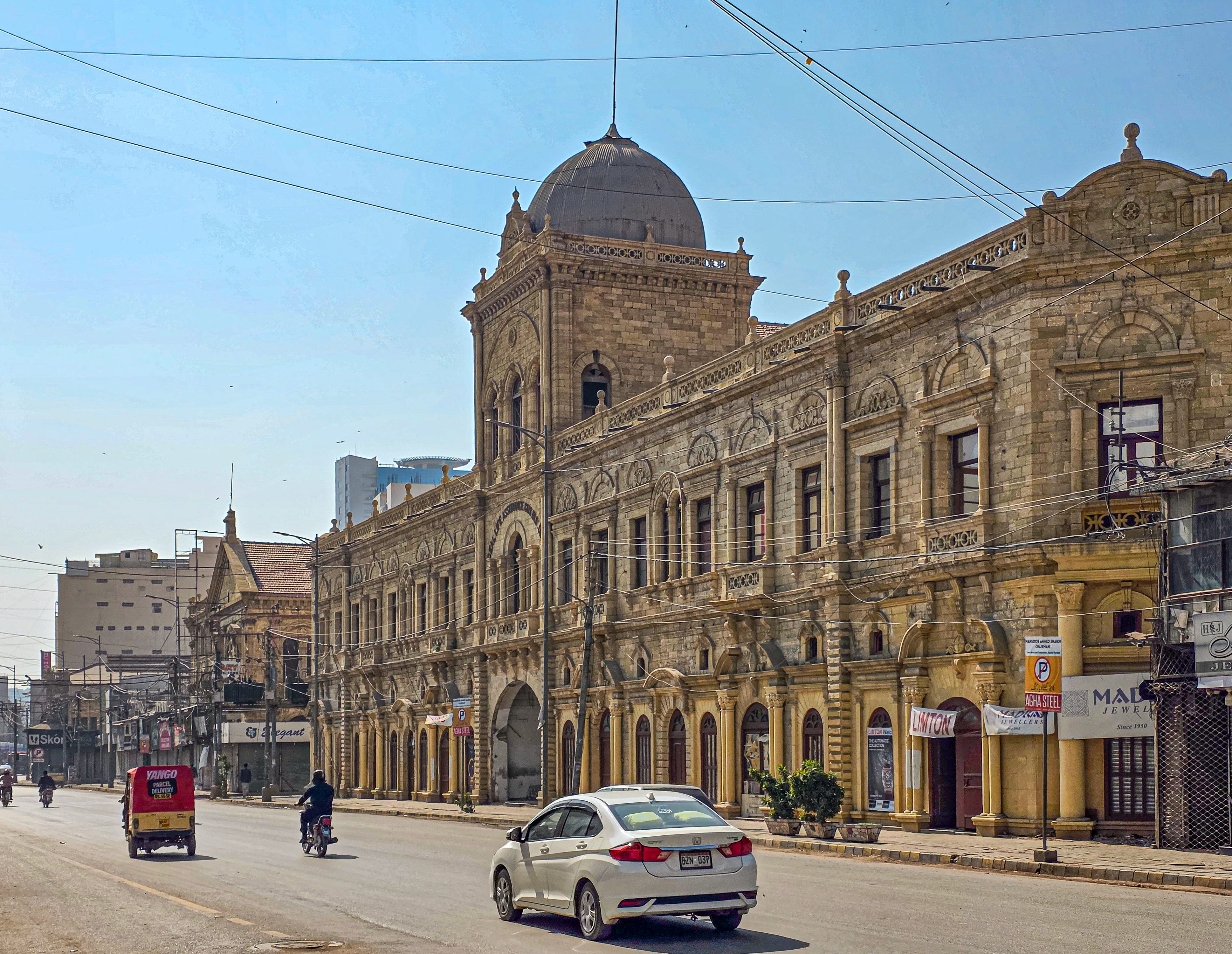
Karachi remains a difficult city for its minorities, yet to imagine the city as devoid of its minorities is to do the city a disservice. Its important to remember, for example, that the non-Muslim population of Sindh today is roughly the same as it is in neighbouring Gujarat and Rajasthan, somewhere around 9%.
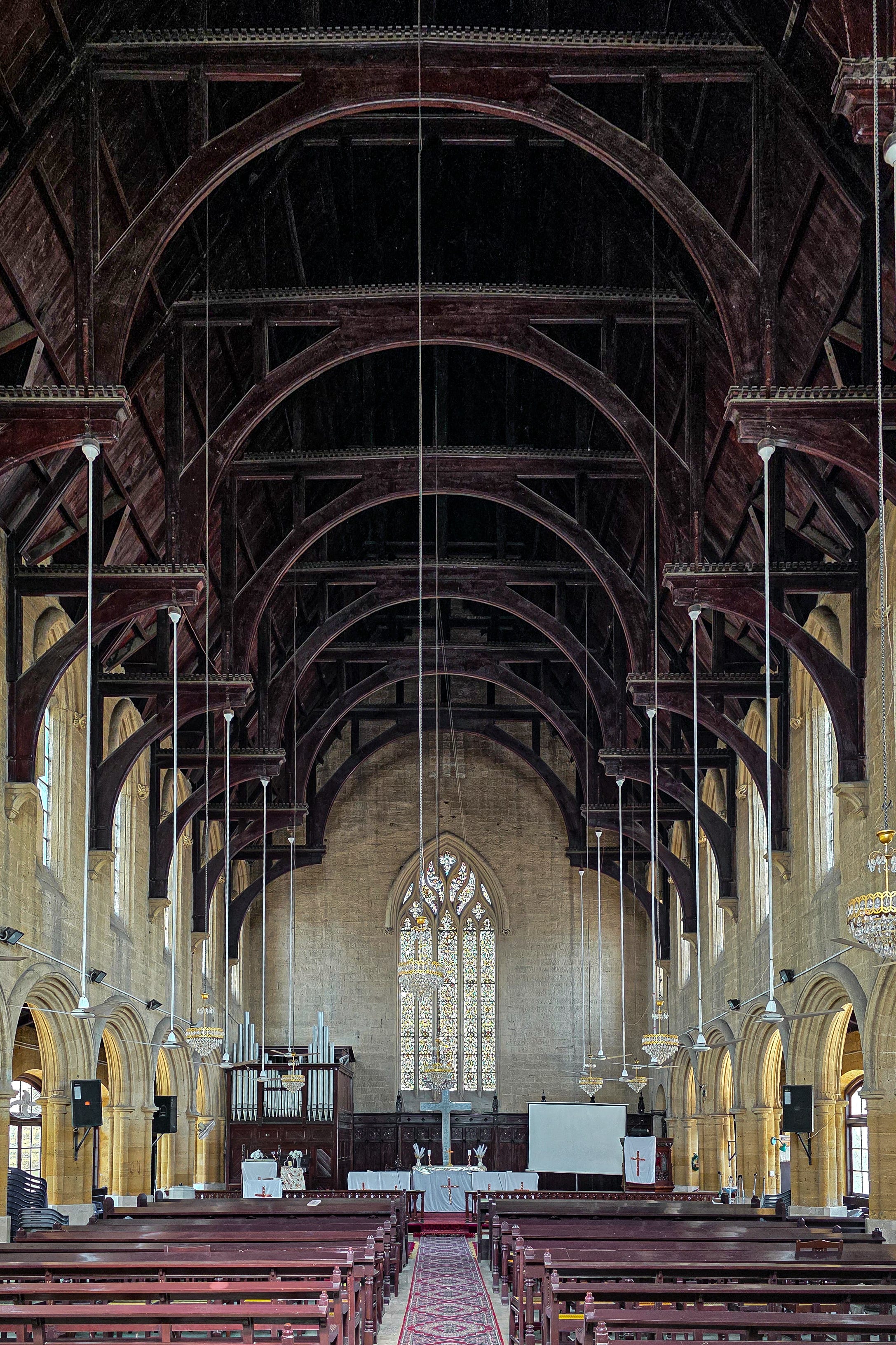
Fire still burns in the Parsi Dar-e-Meher. Congregations still fill up on Sundays at St Andrew’s Kirk and St Patrick’s Cathedral, just speaking Urdu rather than English or Konkani. In the neighbourhood of Madrasi Para hundreds of Tamil Hindus still cook dosas and pray to the goddess Mariamman.
Perhaps the most unexpected evidence of Karachi's cosmopolitanism can be found in the tomb of Pakistan's founder- Muhammad Ali Jinnah.
Jinnah's tomb is a Mughal-modernist masterpiece of marble and concrete, the construction of which began in 1960. With four pointed arches and sixty-one acres of gardens, it was meant to reflect both Pakistan’s past and future.
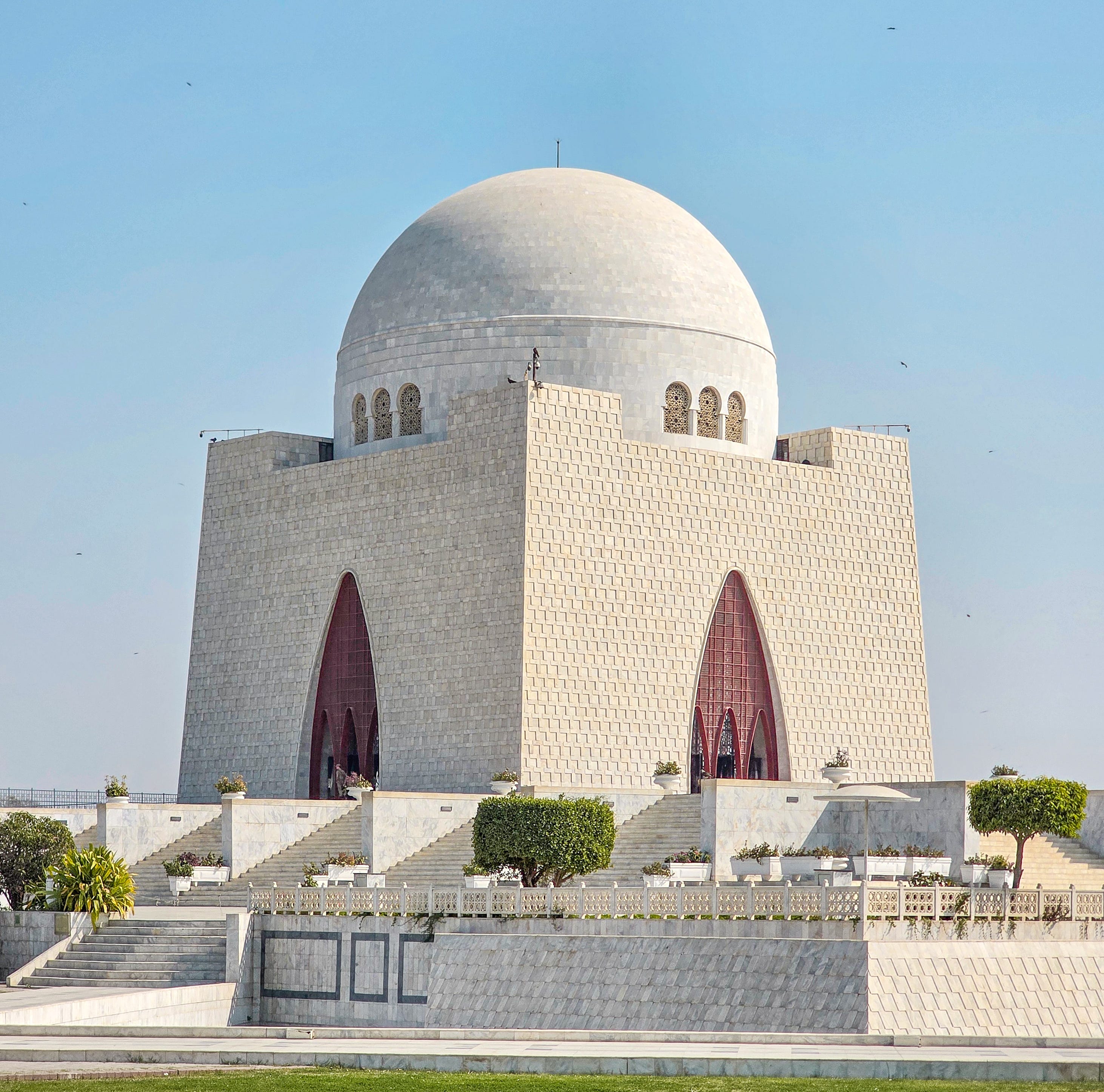
The architect Yahya Merchant was an Indian from Bombay – demonstrative of the fact that in the first decade of independence, Indians and Pakistanis were still able to cross the border for work with relative ease – and, surprisingly, Jinnah’s gravestone is written in two languages: Urdu and Bengali.
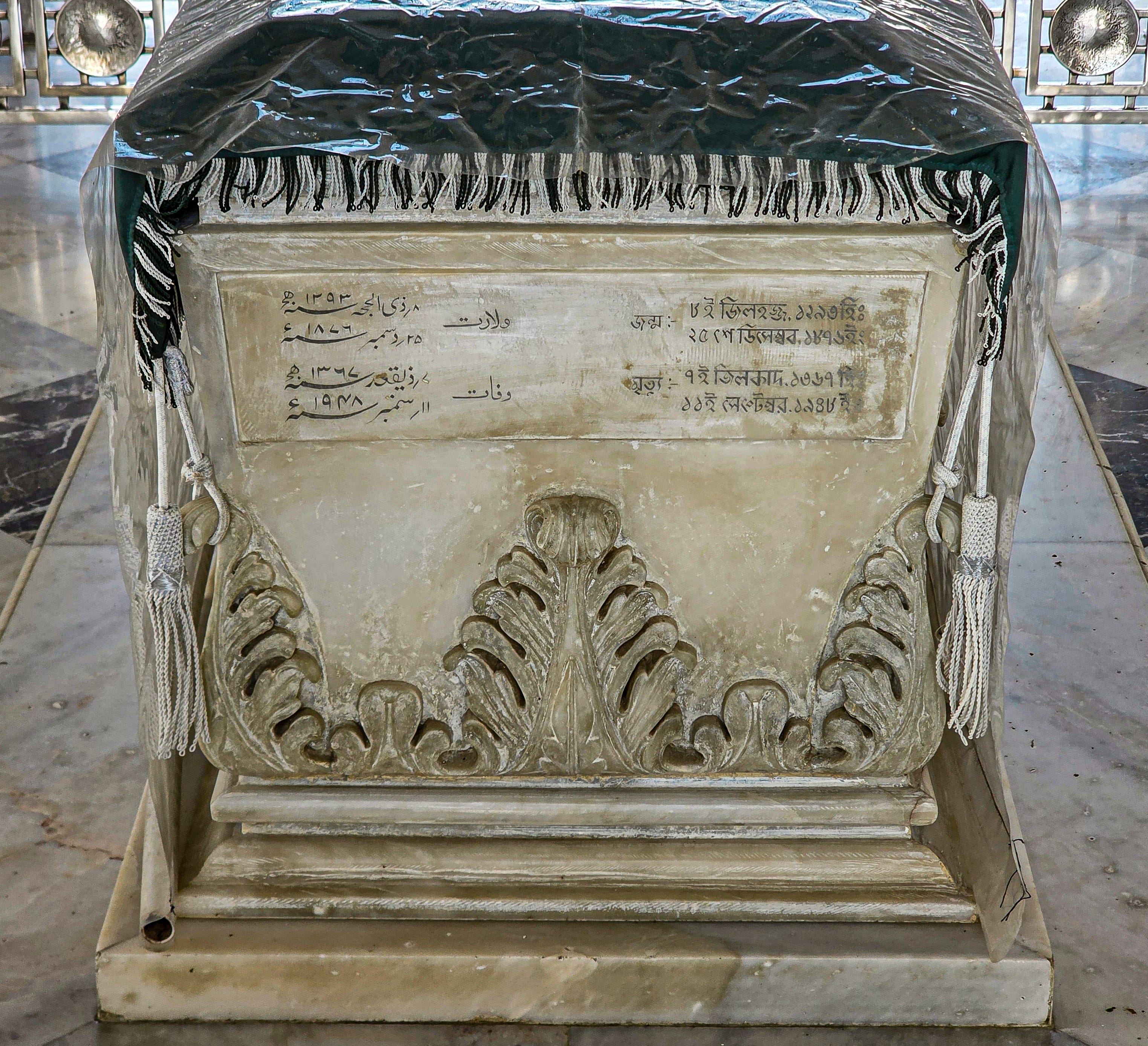
It’s a reminder that the Pakistan envisaged by Jinnah was a very different place from the one It has turned out to be.
Travel With Samwise in November 2026
Next November, I will be leading a trip down the Hooghly River in Bengal with Sampan Travel, Robert Ivermee Nilanjana Roy. If you would like to reserve a space on the boat, please do email enquiries@sampantravel.com
Great stuff Sam, as someone whose family is from Karachi I especially loved this! Went to St Patrick's Cathedral a couple of years ago and got a little tour of the grounds, including the convent school that was started by a group of Belgian (I believe) nuns.
This line - 'the non-Muslim population of Sindh today is roughly the same as it is in neighbouring Gujarat and Rajasthan, somewhere around 9%'
Assuming it means that the non-Muslim population of Sindh is roughly similar to the non-Hindu populations of Gujarat and Rajasthan?
Great read